
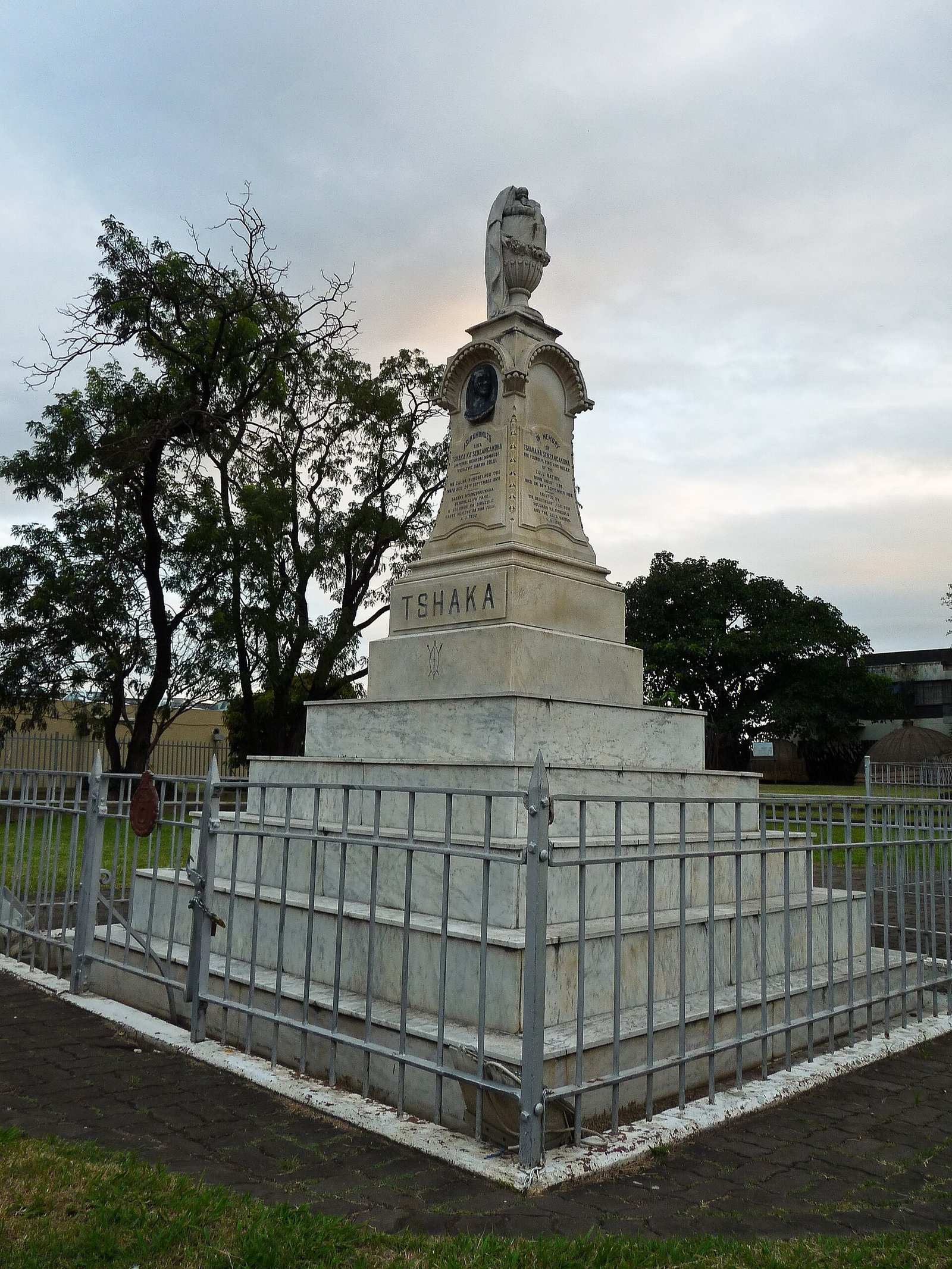
Photo: Mwgielink / Wikimedia Commons, CC BY-SA 3.0
South African historical drama Shaka iLembe: Zulu King is expanding its cast for Season 3 as the series enters a new phase of international distribution.
DStv says Lerato Mvelase will join the series as Queen Mpikase, Wonder Ndlovu as Prince Mpande, Aiden Scott as Henry Francis Fynn and Conrad Kemp as Lt Francis Farewell.
DGBN has also reported on Masicka to headline first Forever1NE Music Festival in hometown Portmore.
Original source: Original source.
At the same time, STUDIOCANAL is introducing the isiZulu-language production to television buyers outside Africa, giving the series a larger international sales platform ahead of its third season.
Season 3 moves the story four years forward
Produced by Bomb Productions for MultiChoice, the new season advances the story by four years.
The series will continue to follow Shaka kaSenzangakhona and the Zulu kingdom while bringing British expansion, European influence and emerging regional powers more directly into the narrative.
Nomzamo Mbatha continues as Queen Nandi and also serves as an executive producer.
No new African premiere date was confirmed in the fresh Season 3 material reviewed by DGBN, so the international sales announcement should not be confused with a broadcast-date announcement.
African history made at television scale
The importance of Shaka iLembe extends beyond the addition of new cast members.
The production has built a large-scale historical drama around Southern African history and an African language rather than treating African history as a secondary setting inside a production designed elsewhere.
Its move into international programme sales raises a larger business question: can historically specific African stories travel globally without being stripped of the language and cultural detail that make them distinctive?
For more context, read DGBN’s coverage of Mandela in Glasgow photographs revisit a city’s anti-apartheid connection.
That issue sits alongside a wider effort to strengthen African screen culture. DGBN recently reported on the return of Lights, Camera, Africa! to Lagos, where independent filmmakers and audiences are gathering around African and diaspora cinema outside the major commercial streaming platforms.
New characters bring a different historical phase
The introduction of Henry Francis Fynn and Lt Francis Farewell signals the increasing presence of British traders and settlers in the period represented by the drama.
Queen Mpikase and Prince Mpande also deepen the dynastic and regional relationships surrounding the Zulu royal family.
How the production handles those figures will matter because popular historical drama often becomes one of the main ways audiences encounter people and events they may never study in detail elsewhere.
That makes historical consultation, language, costume, political context and the distinction between dramatic interpretation and documented history especially important.
DGBN’s current Culture coverage has also been examining how public institutions present African history. The Sankofa exhibition at Dumfries Museum asks how African objects entered British collections, while the Mandela in Glasgow photography exhibition revisits a British city’s relationship with South Africa’s anti-apartheid movement.
From African success to international buyers
STUDIOCANAL’s involvement gives Shaka iLembe access to a broader international sales network.
That does not guarantee how many territories will ultimately acquire the series, but it moves the production into a marketplace where broadcasters and platforms outside Africa can assess it for local distribution.
For African television producers, the significance lies in whether successful domestic productions can retain cultural specificity while entering global commercial circulation.
Related DGBN reporting includes Who has made Troy’s Premier League team of the week?.
For wider context, see France v Italy preview: Zidane faces his old rivals with top spot on the line on Diajem Sports Network.
Shaka iLembe is therefore worth watching not simply as a period drama, but as a test of how African historical storytelling can move through the international television business on its own terms.