
The Supreme Court has cleared the way for implementation of portions of an executive order that would restrict mail-in voting, overturning a lower court's block on the policy just weeks before the midterm elections. The court's decision centered on a technical question of legal standing rather than the constitutional merits of the voting restrictions themselves.
A federal appeals court had previously blocked the Trump administration from enforcing an executive order that would direct the United States Postal Service to adopt new rules affecting mail-in ballot processing. Specifically, the order would have allowed USPS to withhold ballots in states that declined to provide the federal government with unredacted voter registration information. The Supreme Court's conservative majority ruled that states lack the legal authority to challenge the executive order, effectively allowing it to proceed while leaving open the question of whether it will ultimately survive constitutional scrutiny.
In their decision, the justices offered a cryptic acknowledgment of the uncertainty surrounding the order's legality. The majority stated that their ruling on the procedural question should not be interpreted as endorsing the constitutional validity of any measures the administration might implement. However, this distinction provides little comfort to voting rights advocates, as the order would take effect during the critical period when states are preparing to distribute early and absentee ballots to millions of voters.
The timing of the Supreme Court's decision has drawn sharp criticism from legal experts and dissenting justices. The ruling comes just days before mail ballots are scheduled to be sent out in many jurisdictions, potentially creating significant confusion about voting procedures and eligibility across different states. Election officials and voters would face uncertainty about which rules govern mail-in voting as the midterm elections approach.
The administration's stated rationale for the order invokes concerns about election integrity and voter fraud prevention. However, critics argue that these claims lack substantive evidence and that the true objective is to reduce voter participation in communities that historically favor Democratic candidates. The restrictions on mail-in voting disproportionately affect voters with mobility challenges, those working multiple jobs, military personnel stationed abroad, and other populations who rely on absentee balloting.
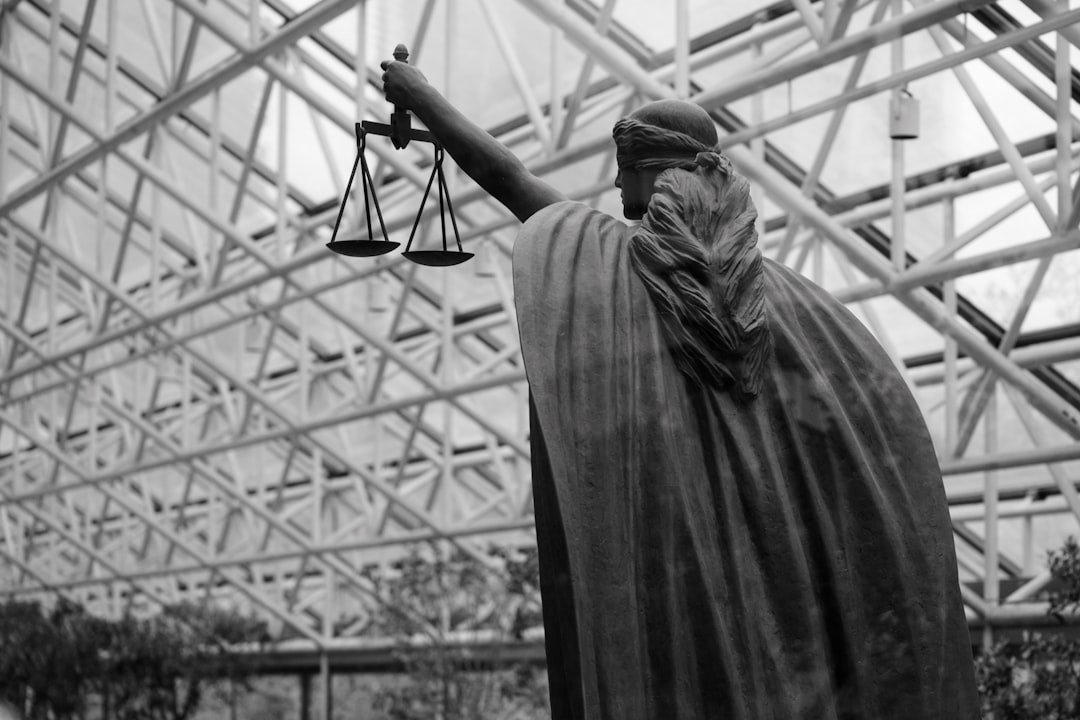
![Supreme Court Strikes Down Block On Trump’s Mail-In Voting Executive Order [Op-Ed]](https://diajemblacknews.com/wp-content/uploads/2026/08/diajem-3811-1787677031-1-1024x683.jpg)
This ruling reveals what observers describe as an inconsistent application of judicial principles by the court's conservative wing. The justices have previously expressed concern about the timing of election-related cases brought close to elections, citing the need for stability and clarity in voting procedures. Yet that same caution appears absent when the court considers cases involving voting restrictions or changes that advantage conservative political interests. The contrast has been particularly stark in recent decisions involving partisan redistricting and voting access cases.
Justice Ketanji Brown Jackson's dissenting opinion highlighted the contradictions embedded in the court's approach to election law. Jackson characterized the ruling as creating chaos and uncertainty at a critical moment in the electoral process and condemned what she described as an increasingly incoherent framework governing election-related legal challenges. She noted that the court's precedents have created an unpredictable and confusing landscape for plaintiffs seeking to challenge election policies through the courts.
The practical implications of this decision extend beyond the current midterm cycle. If upheld on the merits, the order would establish a new federal power to influence state voting procedures and access to the ballot, marking a significant shift in how election administration authority is distributed between Washington and individual states. This development carries particular significance for Black voters and other communities of color, who have historically faced systematic barriers to voting and who have benefited from mail-in voting options.
As the midterm elections draw near, election officials across the country must now navigate legal uncertainty about rules that could fundamentally alter how millions of Americans cast their votes.
Source: NewsOne | Published: Tue, 25 Aug 2026 15:46:35
Leave a Reply