
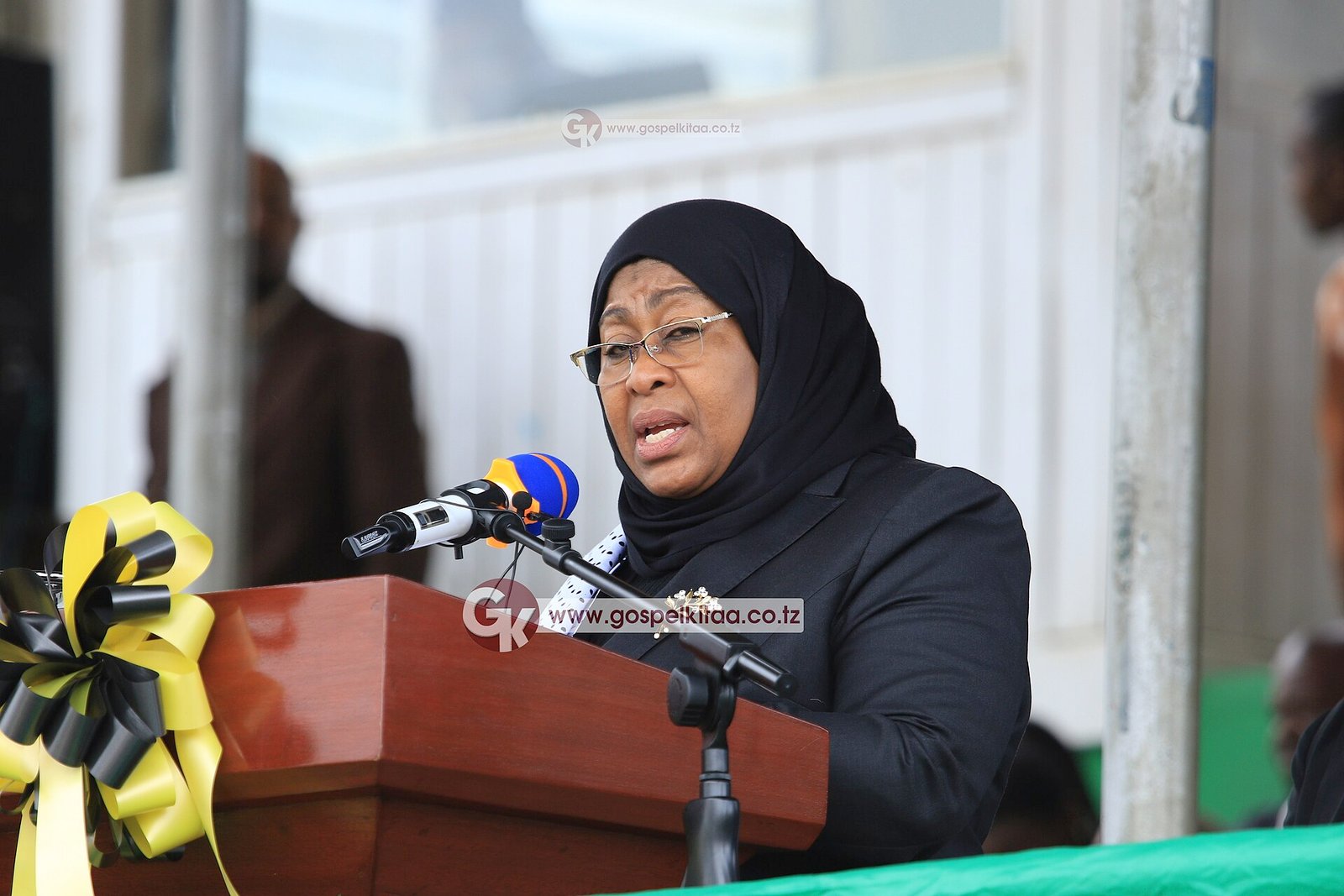
Photo: Gospel Kitaa / Wikimedia Commons, CC BY-SA 2.0
Tanzania has formally opened the Mtumba Government City in Dodoma, a major administrative complex built to concentrate ministries and state institutions in the country’s capital.
A new hub for public administration
President Samia Suluhu Hassan inaugurated the development on 30 October, alongside Angolan President João Lourenço, following an earlier postponement of the ceremony.
DGBN has also reported on Mo Ibrahim warns Africa is copying the world’s strongmen as rights slide in 23 countries.
The second phase of the project cost about TSh698 billion — roughly $265 million — and is designed to accommodate around 18,510 government employees. It includes 26 ministry office buildings, 11 buildings for government institutions and more than 57 kilometres of paved roads.
The complex is part of Tanzania’s long-running effort to shift the centre of government from Dar es Salaam to Dodoma. The relocation drive was revived in 2016, and the latest construction phase began in October 2021.
Digital systems at the centre
At the opening, Hassan called on public institutions to connect their digital systems so information can be shared more efficiently and citizens do not have to travel to headquarters for services that can be delivered online.
For more context, read DGBN’s coverage of Kiir returns to Juba after Moscow summit as South Sudan pursues Russian investment.
Government officials say the site has communications infrastructure intended to reduce the use of physical files and speed up correspondence between agencies. The wider development also includes water, wastewater, telecommunications, security and electricity systems, with underground power infrastructure installed across the complex.
Officials have said the buildings were planned with accessibility in mind, while the project’s design includes natural ventilation, daylighting, tree planting and proposed solar and rainwater-harvesting measures.
Why it matters
For Tanzanians, the test of the investment will be whether bringing ministries together produces faster, more reliable public services. A consolidated government district can reduce the operational costs and delays created when departments are spread across different offices, but digital integration and responsive institutions will be crucial to turning new infrastructure into better outcomes for citizens.
The project also deepens Dodoma’s transformation into a functioning administrative capital, creating demand for transport, housing, retail, hospitality and other services around the expanding government centre. That matters for the city’s workforce and local businesses, while also signalling Tanzania’s ambition to build state infrastructure through domestic institutions and contractors.
Government spokesperson Gerson Msigwa has said the complex has drawn interest from delegations from elsewhere in Africa. For Black-led governments across the continent, Mtumba is therefore being presented not simply as an office development, but as a model for combining physical infrastructure with digital public administration.
Related DGBN reporting includes Ghana welcomes Uganda Airlines as new Accra service links East and West Africa.
The government now faces the practical task of ensuring the complex is maintained, its systems work across agencies and the promised improvements in service delivery are felt beyond Dodoma.