
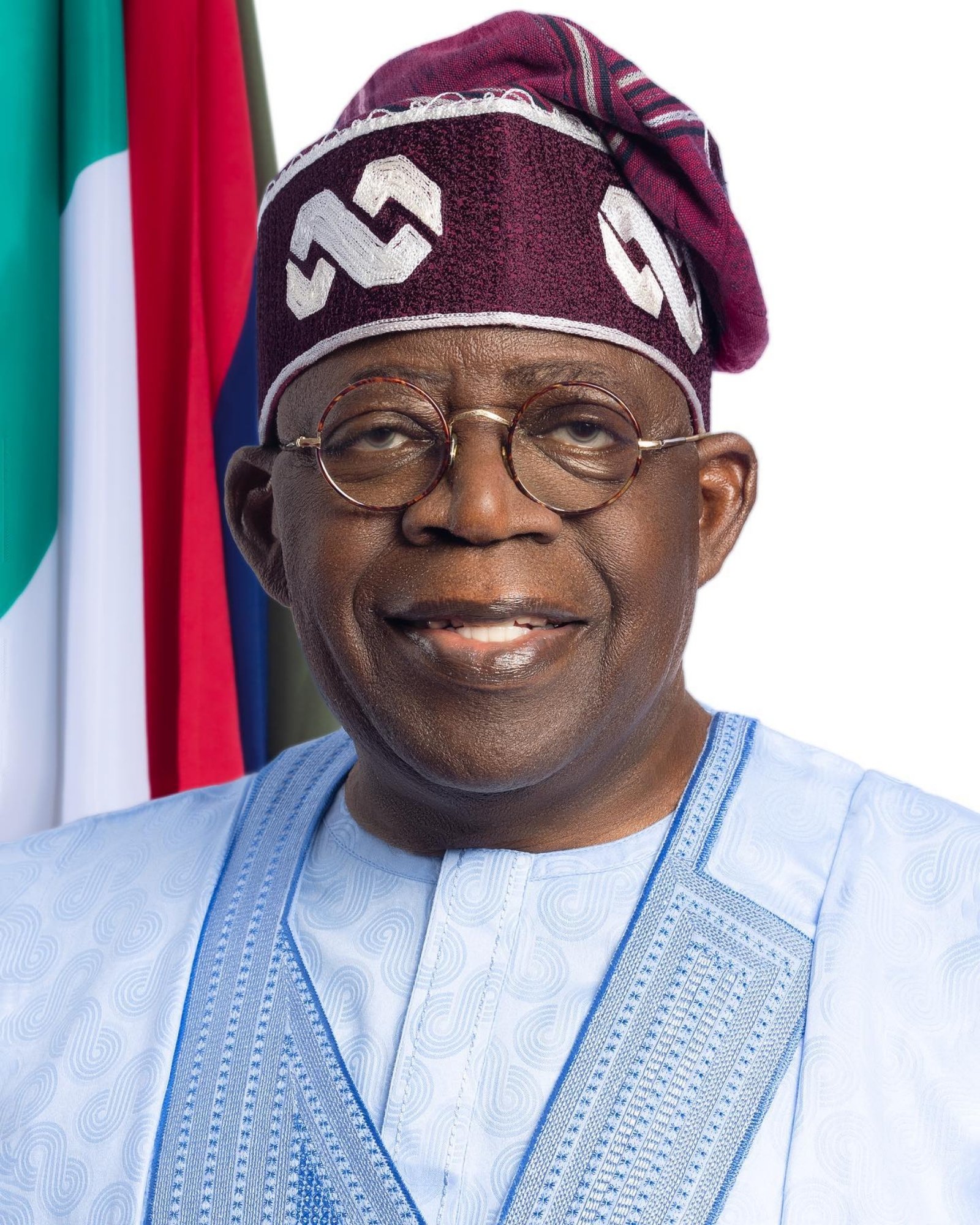
Photo: Nosa Asemota / Wikimedia Commons, CC BY-SA 4.0
President Bola Tinubu’s aides say his administration will intensify nationwide infrastructure development, placing roads and regional connectivity at the centre of its economic agenda.
Projects across the six zones
At a briefing at the State House in Abuja on Tuesday, presidential community-engagement aides outlined projects they said were under way or planned across roads, rail, electricity, education, healthcare and agriculture.
DGBN has also reported on Tinubu seeks approval for $21.7bn external borrowing plan.
The officials, who also serve as zonal directors in the Presidential Campaign Council’s Infrastructure Mobilisation and Sensitisation Directorate, said the work was intended to improve mobility, support trade and respond to economic pressures reported by communities.
In the North-Central, Abiodun Essiet, senior special assistant to the president on community engagement, said more than 167 kilometres of road had been completed and over 1,207 kilometres were being built. She named the Shendam Bridge, Lafia Bypass, Makurdi–Otukpo–9th Mile Road and Abuja–Lokoja Highway among the schemes cited.
Major corridors highlighted
For the North-West, Abdullahi Tanko Yakassai pointed to the reconstruction of the Abuja–Kaduna–Zaria–Kano highway, as well as the proposed Sokoto–Badagry Superhighway, Kaduna–Kano railway and monorail projects for Kaduna and Kano.
For more context, read DGBN’s coverage of Adesina tells Tinubu he is ready to serve Nigeria “in any capacity”.
Chioma Nweze said approximately 1,000 kilometres of road projects were ongoing in the South-East, including work on the Enugu–Onitsha and Enugu–Port Harcourt highways. She also referred to interventions around the First and Second Niger bridges and the South-East Development Commission.
In the South-South, Gift Johnbull identified the Lagos–Calabar Coastal Highway, East–West Road reconstruction, Benin–Agbor Road interventions and the Kaa–Ataba Bridge in Rivers State as significant schemes. Abdulhameed Abba cited transport, water, health and education projects in the North-East, including routes linking Akwanga, Jos, Gombe and Biu.
The Federal Ministry of Works has separately said the government is pursuing four major legacy road projects intended to improve links across Nigeria’s six geopolitical zones, while acknowledging that funding remains a major constraint for nationwide delivery.
Why it matters
For Nigerians, infrastructure promises are measured less by announcements than by whether journeys become safer and cheaper, farm produce reaches markets, businesses gain reliable access to customers and communities see improvements in electricity and public services.
That is particularly significant for Black communities across Nigeria whose livelihoods depend on road networks connecting rural producers, urban markets and ports. Better transport links can lower the cost of moving food and goods, but delivery timelines, transparent contracting and maintenance will determine whether the projects produce lasting benefits.
Related DGBN reporting includes Tinubu seeks parliamentary approval for $20.5bn and €1.05bn borrowing plan.
The aides also urged support for Tinubu’s 2027 re-election bid, underlining the political context surrounding the briefing. Their claims set out the administration’s priorities; the pace, financing and completion of the projects will be the test for citizens.