
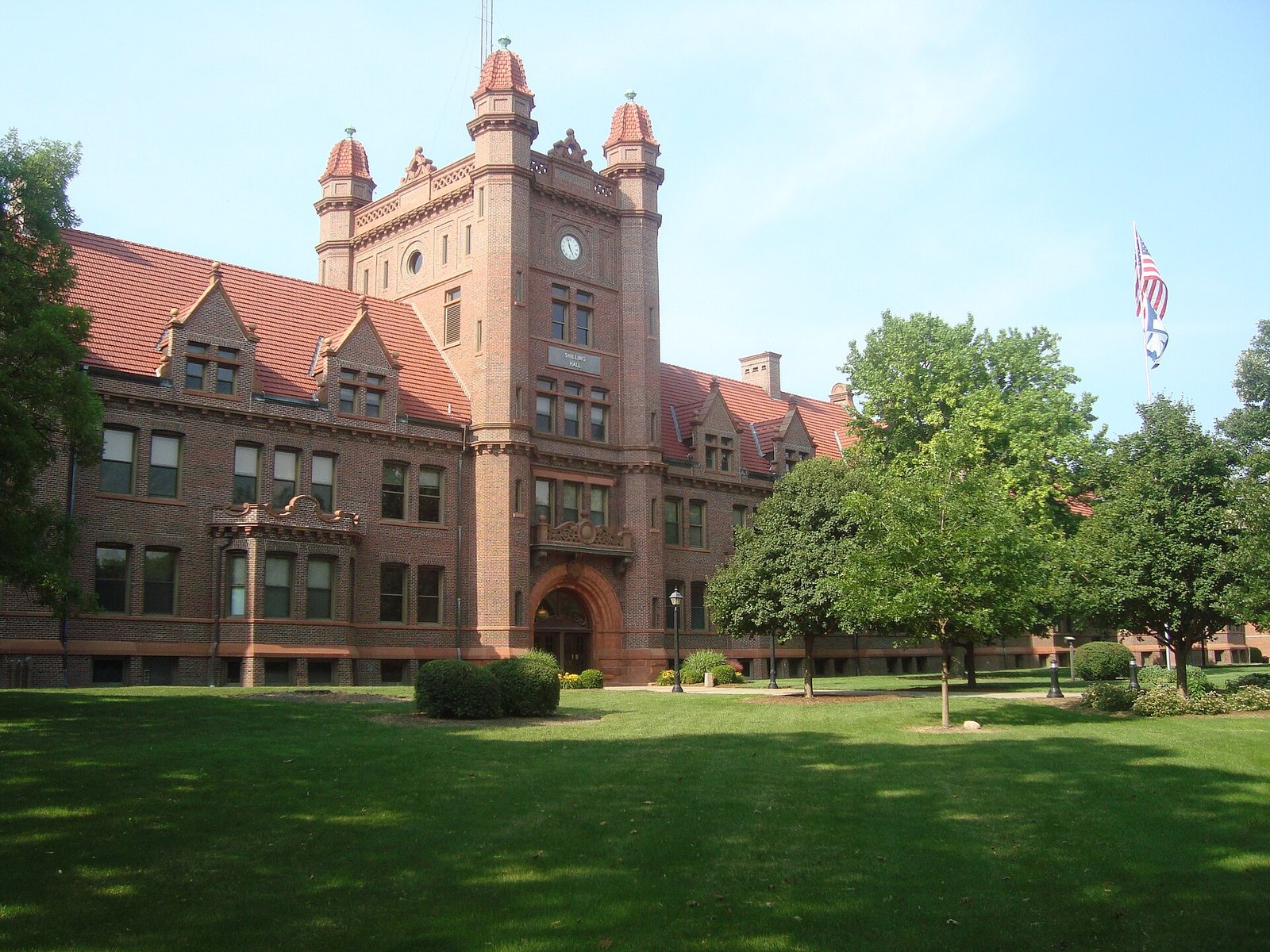
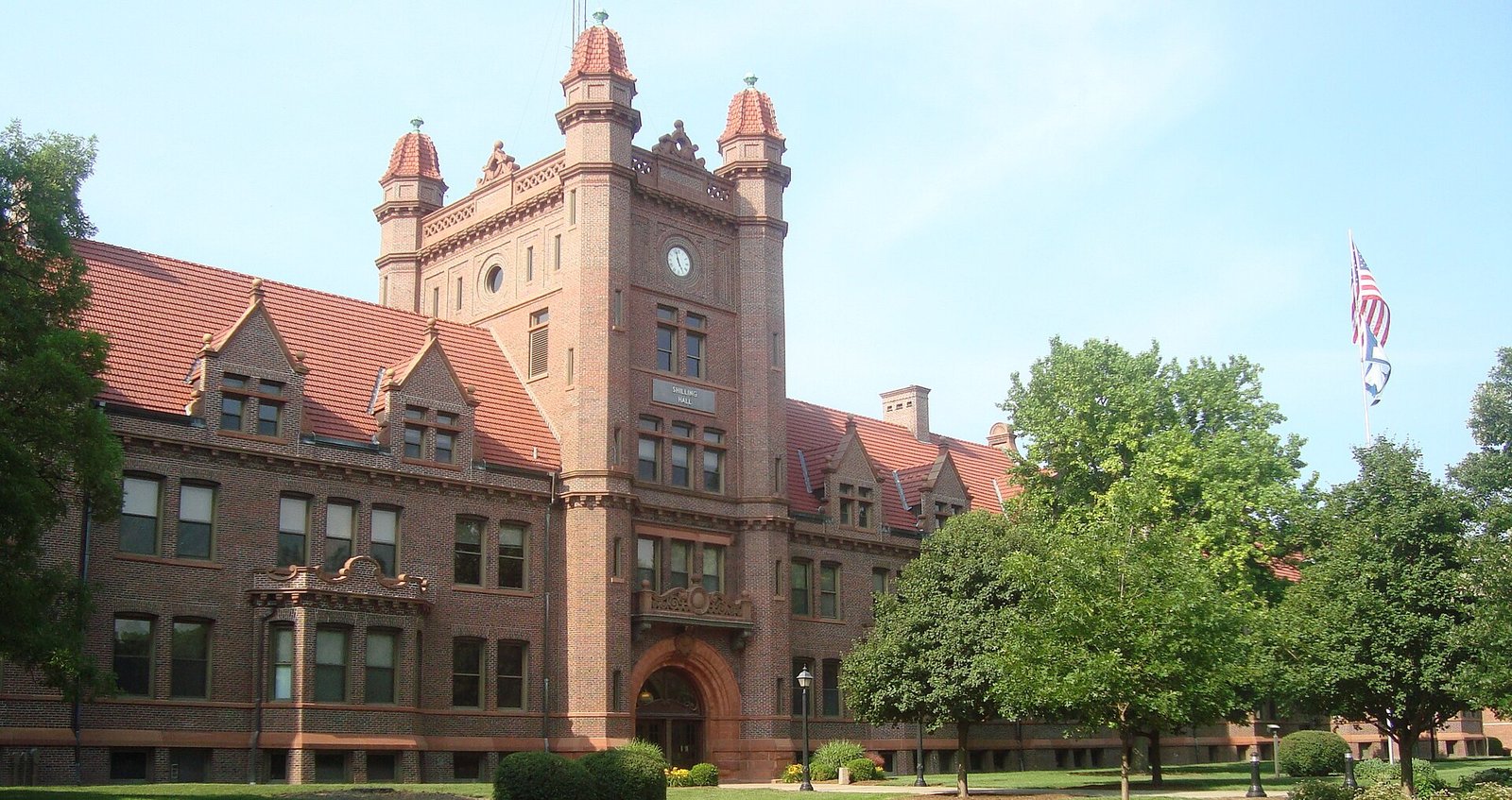
Photo: Paris25 / Wikimedia Commons, CC BY-SA 3.0
Millikin University has unveiled the fourth marker on the Macon County African American Heritage Trail, placing Black students’ and alumni’s contributions firmly within the public history of Decatur, Illinois.
A campus legacy made visible
The marker was unveiled on Saturday, 3 October, outside Millikin’s University Commons during the university’s homecoming weekend. It was organised by the Untold Stories Committee in partnership with the Heart of Illinois Community Foundation.
DGBN has also reported on Portrait of Black Britain returns to Manchester with expanded photographic archive.
Original source: Original source.
Millikin says the installation recognises the experiences, achievements and legacy of Black students and graduates from the university’s founding in 1901 through the civil-rights and Black liberation movements of the 1960s and 1970s. It also acknowledges their role in pressing for greater inclusion, representation and belonging on campus.
The occasion was held alongside activities hosted by Black Alumni of Millikin, making the marker’s unveiling part of a wider homecoming programme rather than a stand-alone ceremony.
Connecting local history
The heritage trail uses markers, murals and other public sites to document African American resilience, civic leadership, achievement and community building across Macon County.
Its existing education-focused marker at Parsons Elementary School tells the story of Black educators and students in Decatur. That record includes Fred T. “Pop” Long, who became the first Black person to graduate from Millikin in 1918, and Marian Vanderburg, the university’s first Black woman graduate in 1934.
For more context, read DGBN’s coverage of African American Civil War Museum reopens in Washington after years of renovation.
Millikin’s own historical record also highlights alumnus James B. Parsons, a Decatur native who became the first African American appointed to a US district court when President John F. Kennedy nominated him in 1961.
Why the marker matters
For Black communities in central Illinois and across the diaspora, the significance lies in who gets permanently represented in public space. Historical institutions have often celebrated Black achievement only after sustained local advocacy or treated it as a marginal chapter in broader civic narratives.
By locating the marker on campus, Millikin ties the university’s public identity to the students and alumni who shaped its history while navigating exclusion and campaigning for fuller participation. The trail also gives residents, students and visitors a route into stories that may otherwise remain scattered across archives, family memory and local records.
The installation follows earlier trail projects that have highlighted Black educational and civic contributions in Decatur. Together, the sites create a more complete account of how African Americans have built, led and transformed Macon County across generations.
A living public record
The new Millikin marker is not simply a commemoration of the past. It gives current Black students and alumni a visible connection to predecessors whose presence, scholarship and organising helped expand the institution they inherit.
Related DGBN reporting includes Shaka iLembe Season 3 Expands Cast as IsiZulu Historical Drama Moves Into International Sales.
As the heritage trail grows, its value will rest on continued community stewardship, accurate historical research and making these stories accessible beyond ceremonial occasions.