
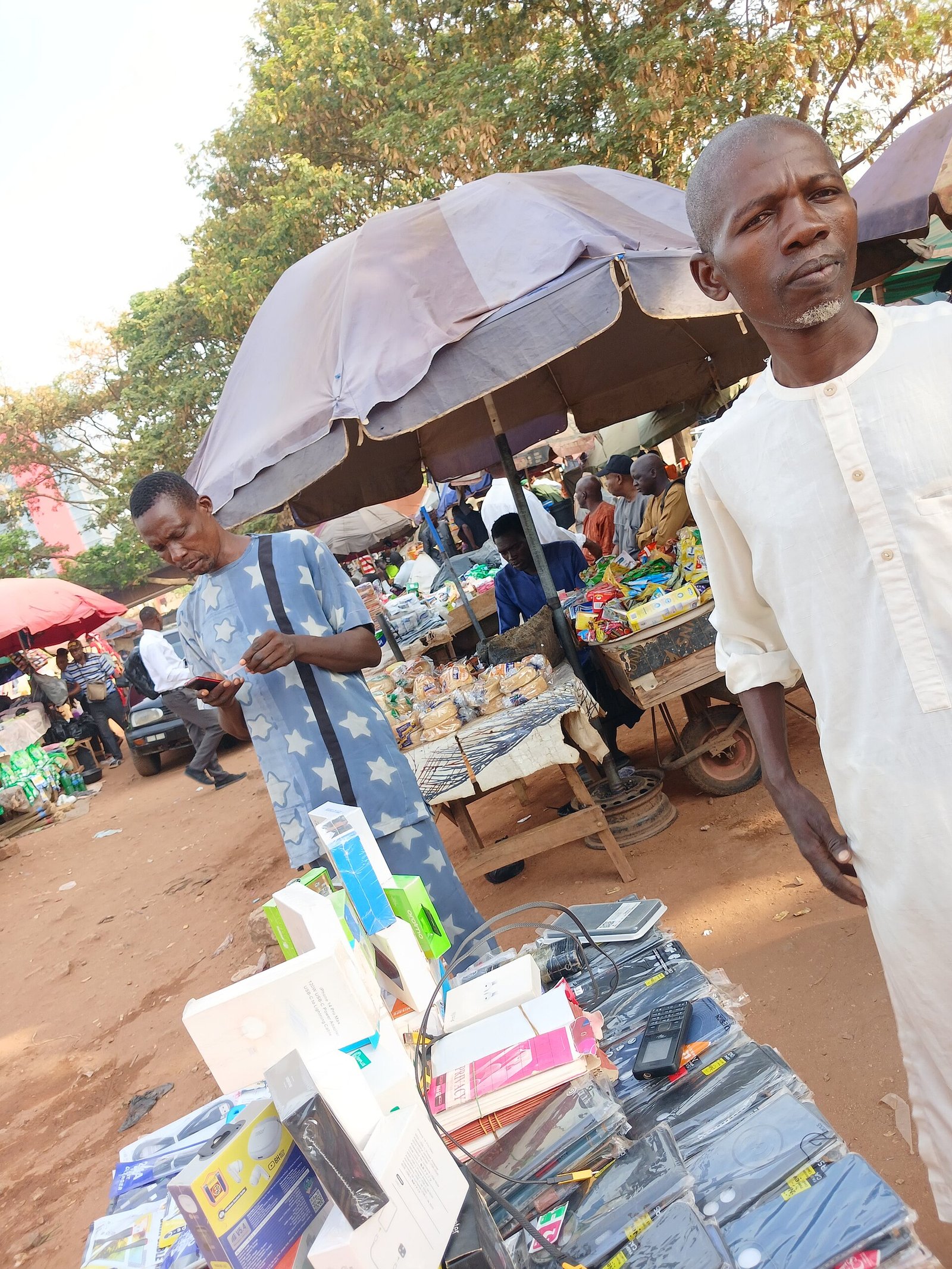
Photo: EsthyR / Wikimedia Commons, CC BY-SA 4.0
Nigeria’s capital market must move beyond trading existing securities and become a major channel for financing industry, infrastructure and wider prosperity, investment banker Chukwudi Nga has said.
A market built, but not yet deep enough
Nga, managing director of Morgan Capital Investment Ltd, said Nigeria has developed key market institutions, regulation, infrastructure and products, but argued that its capital market remains too shallow for the scale of funding needed to pursue a $1 trillion economy by 2030.
DGBN has also reported on Nigeria at 66: digital ambition must become everyday infrastructure.
Original source: Original source.
Speaking as Nigeria marked its 66th independence anniversary, he called for more high-quality company listings, stronger day-to-day trading liquidity, a broader domestic investor base and greater mobilisation of long-term savings into productive investment.
He said equities, corporate bonds and commercial paper should play a larger role in funding businesses, while infrastructure could draw more heavily on instruments such as infrastructure bonds, Sukuk, project bonds and asset-backed securities.
Reform gains need to reach the real economy
Nga pointed to the move to a T+1 settlement cycle on 1 June and Nigeria’s return to FTSE Russell Frontier Market status in September as signs of progress. He said improved foreign-exchange liquidity, repatriation conditions and market accessibility had helped strengthen investor interest.
But he cautioned that these improvements must translate into reliable long-term finance for productive sectors rather than simply stronger secondary-market activity.
For more context, read DGBN’s coverage of Africa’s growth needs industrial giants and tech risk-takers, ISS argues.
Nigeria’s Securities and Exchange Commission has made a similar case. In an April policy paper, it said bank lending alone cannot meet the investment requirements of infrastructure, manufacturing, agriculture, housing and human-capital development. The regulator said domestic market instruments, foreign direct investment and multilateral finance would all be needed.
Broadening ownership and opportunity
Nga cited the reported 4.1 billion-share initial public offering by Dangote Petroleum Refinery and Petrochemicals, valued at about ₦2.15 trillion, as an example of the scale of transaction that could widen ownership of major Nigerian enterprises.
However, he stressed that market capitalisation alone is not proof of depth. A stronger market would require listings across energy, telecommunications, technology, manufacturing, agriculture and infrastructure, alongside a larger corporate-debt market and more participation from pension funds, insurers and mutual funds.
He also called for tax incentives, quicker approvals and lower transaction costs to encourage institutional investment over longer periods.
Why it matters
For Black investors, entrepreneurs and workers, the question is whether Nigeria’s growth agenda produces accessible opportunities beyond a small circle of large firms and wealthy market participants. A more inclusive capital market could help channel household savings into Nigerian businesses, support job-creating sectors and allow more citizens to share in the value created by national development.
Related DGBN reporting includes Africa’s financial power map shifts as local capital and new banking hubs rise.
The Federal Government and SEC are already preparing a National Savings Scheme with proposed tax incentives and a new Capital Market Master Plan, due to be discussed at an Abuja policy forum on 19 October. The practical test will be whether those plans reduce barriers for ordinary Nigerians while supplying patient capital to the businesses and projects that can expand the real economy.