
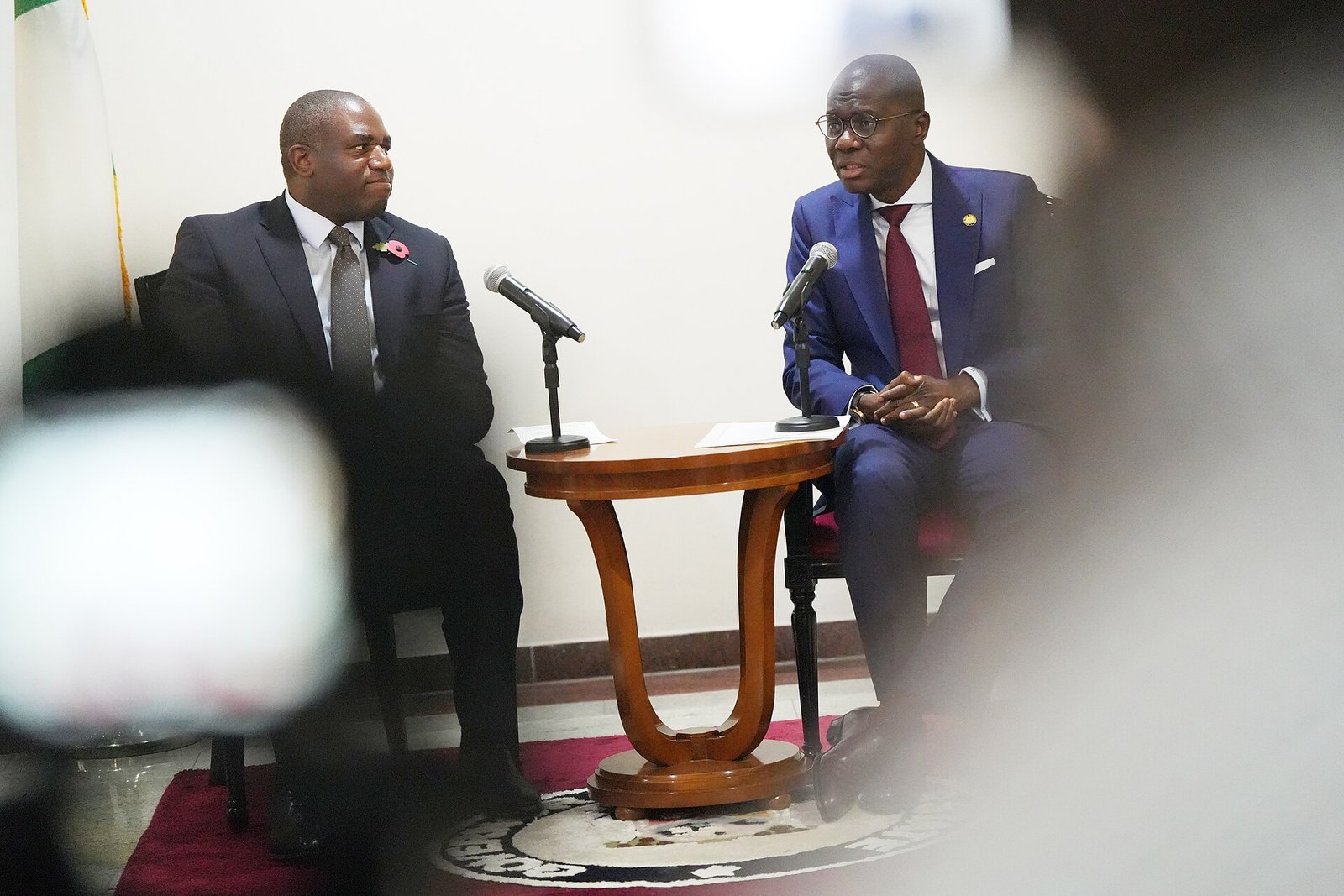
Photo: Foreign, Commonwealth & Development Office / Wikimedia Commons, CC BY 2.0
Lagos State Governor Babajide Sanwo-Olu says predictable policies, working infrastructure and efficient public services must underpin the state’s push for long-term investment and global competitiveness.
A 30-year economic ambition
Speaking on Wednesday in Lagos at the Nigerian-British Chamber of Commerce’s Meet the Governor Series 2.0, Sanwo-Olu said investors needed more than access to a large market. They also needed confidence that infrastructure would function, rules would remain stable and institutions would meet their obligations.
DGBN has also reported on Only 59% of Nigerian financial firms on track for January 2027 data deadline.
The governor said the state’s Lagos State Development Plan 2052 sets out a long-term route towards making Lagos a globally competitive economic and financial hub. The plan includes more than 447 initiatives across 21 strategic sectors, covering economic growth, human development, infrastructure and governance.
Sanwo-Olu said Lagos was seeking investment partnerships that deliver expertise, technology, skills and opportunities for local businesses, rather than capital alone. He identified healthcare, energy, manufacturing, technology, logistics and maritime trade as areas with significant potential.
Why this matters
Lagos is Nigeria’s commercial centre and one of Africa’s most important urban economies. Its ability to attract patient capital has consequences far beyond the state: for jobs, supply chains, exports and public services across Nigeria and the wider West African region.
For more context, read DGBN’s coverage of Ghana welcomes Uganda Airlines as new Accra service links East and West Africa.
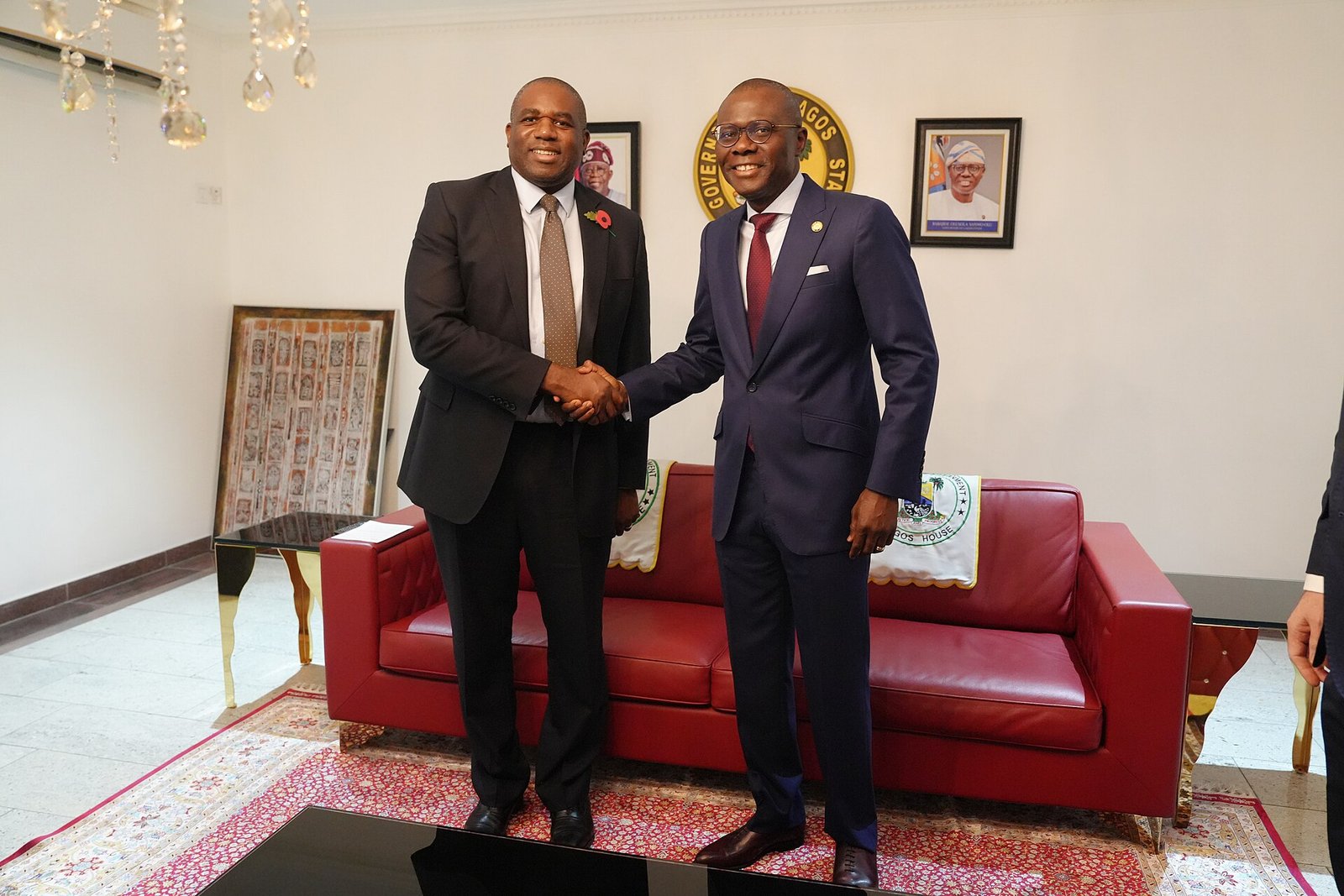
For Black entrepreneurs, professionals and businesses in Nigeria and the diaspora, the emphasis on policy certainty speaks directly to a persistent challenge: investment decisions are often constrained not by a lack of ideas or market demand, but by high operating costs, administrative delays and uncertainty around regulation.
The Lagos Ministry of Commerce, Cooperatives, Trade and Investment has also tied its current roadmap to the Development Plan 2052, with proposed measures including investor services, export development and support for small and medium-sized businesses.
Call for Nigerian-British partnerships
Sanwo-Olu said the Nigerian-British Chamber of Commerce could help connect credible investors with viable projects, while supporting technology transfer and dialogue on regulatory obstacles.
The chamber’s president, Abimbola Olashore, said Lagos’ standing as a centre for finance, trade, technology, manufacturing, real estate and logistics could only be sustained through continued investment, innovation and effective infrastructure.
Related DGBN reporting includes Sanwo-Olu Sets Lagos on Path to $1 Trillion Economy by 2052.
For wider context, see Gabriel Martinelli’s Arsenal Exit Raises Questions After Arteta Snub on Diajem Sports Network.
He also highlighted access to finance, predictable policies and effective regulation as essential to strengthening the city’s competitiveness. The comments underline that Lagos’ investment target will ultimately be judged not by plans alone, but by whether businesses and residents experience more reliable services, lower barriers to growth and broader access to economic opportunity.