
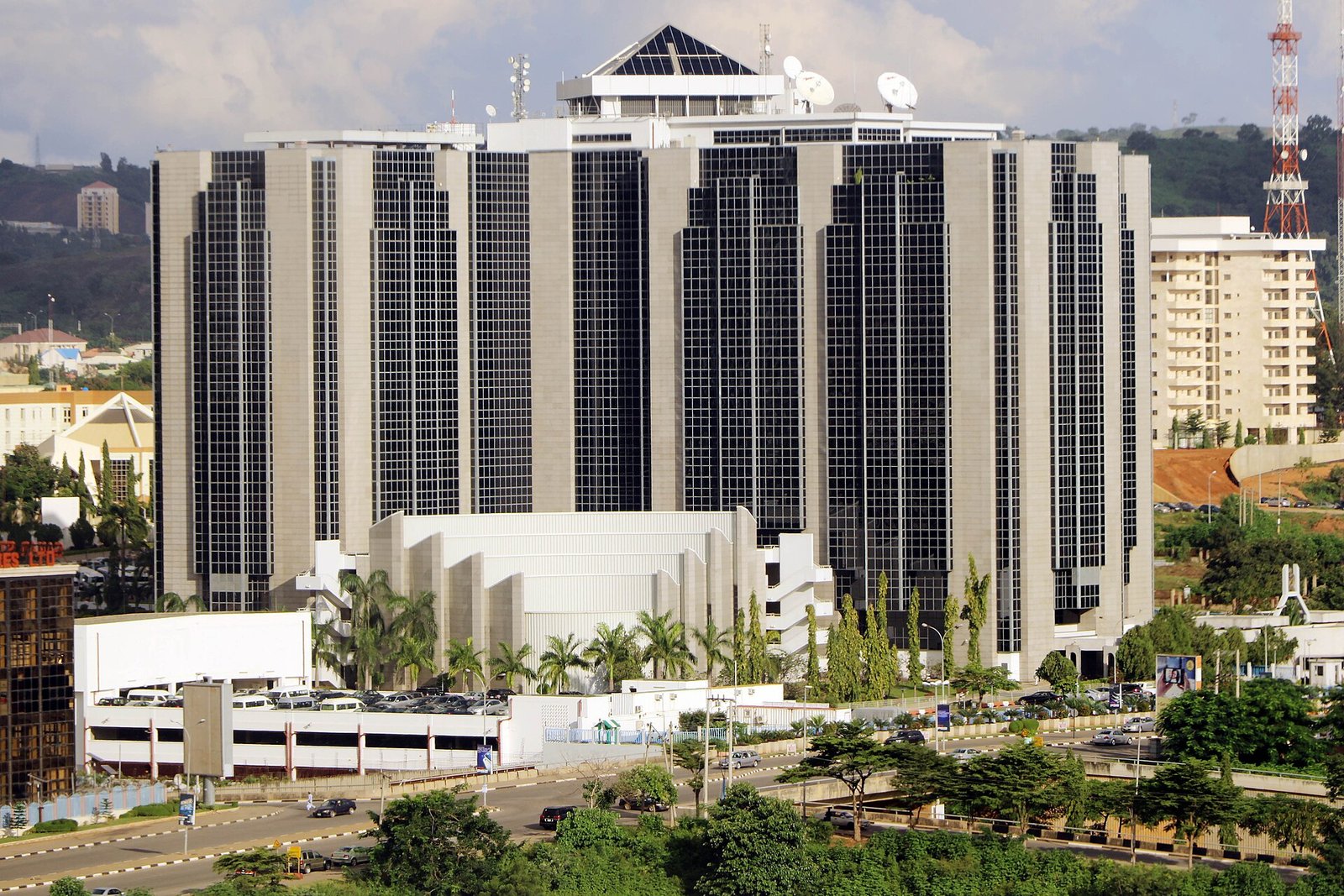
Photo: GodwinPaya / Wikimedia Commons, CC BY-SA 4.0
Nigeria’s push for control over critical financial data faces a difficult final stretch, with only 59% of surveyed institutions saying they are on course for the 1 January 2027 deadline.
Readiness gap exposed
A survey presented at a joint Central Bank of Nigeria (CBN) and National Information Technology Development Agency (NITDA) dialogue in Lagos found that 26 of 44 financial institutions had either completed the necessary work or expected to do so before the deadline.
DGBN has also reported on Sanwo-Olu Sets Lagos on Path to $1 Trillion Economy by 2052.
But 15 institutions — 34% of respondents — said they were unlikely or very unlikely to finish in time, while three could not assess their readiness. The survey covered banks, fintechs and other financial-sector operators, and was based on self-reported, anonymised responses rather than a formal compliance audit.
The regulations require covered institutions to store and manage payment transaction data generated in Nigeria within the country from 1 January 2027. The CBN has previously said the deadline will not be extended.
Planning has not yet become migration
The findings point to a sharp divide between identifying what must move and actually moving it.
While 70% of respondents had identified the data and systems affected, only 25% had secured executive approval and budgets. Just 23% had contracted local providers, and 18% had begun migration or remediation work.
For more context, read DGBN’s coverage of AI cyber threats put Nigeria’s digital future at centre of Abuja summit.
Half of the 44 institutions surveyed had not yet started implementation, according to the presentation. That leaves a major operational task for firms that rely on offshore cloud services, complex technology partners or interconnected payment systems.
Respondents also said regulatory clarity remains a barrier. Some 64% requested a clearer definition of payment transaction data, while 38% wanted more certainty over what qualifies as data being stored and managed in Nigeria. Questions include the status of backups, metadata, system logs and remote administrative access.
Regulators focus on sovereignty and resilience
CBN and NITDA officials used the Lagos dialogue to argue that payment data is strategic infrastructure, linking local storage to stronger oversight, resilience and digital sovereignty.
Officials also indicated that deliberate non-compliance could bring sanctions, while stressing that the immediate priority is guidance and support for institutions still preparing. Local infrastructure providers reported capacity to take on more financial-sector workloads, although much planned new capacity is expected to arrive after the January deadline.
For Nigerians, the policy matters because banking, mobile money and digital payments increasingly underpin daily commerce. How institutions manage the transition will affect the resilience of services used by households, small businesses and the country’s fast-growing fintech economy.
Related DGBN reporting includes Nigeria targets local cloud shift after MDAs spend ₦3.8tn on technology.
The readiness figure should not be read as a final industry verdict: it is a survey snapshot. But the limited progress on budgets, provider contracts and live migration shows that compliance will depend on rapid decisions by financial institutions — and prompt technical guidance from regulators.