
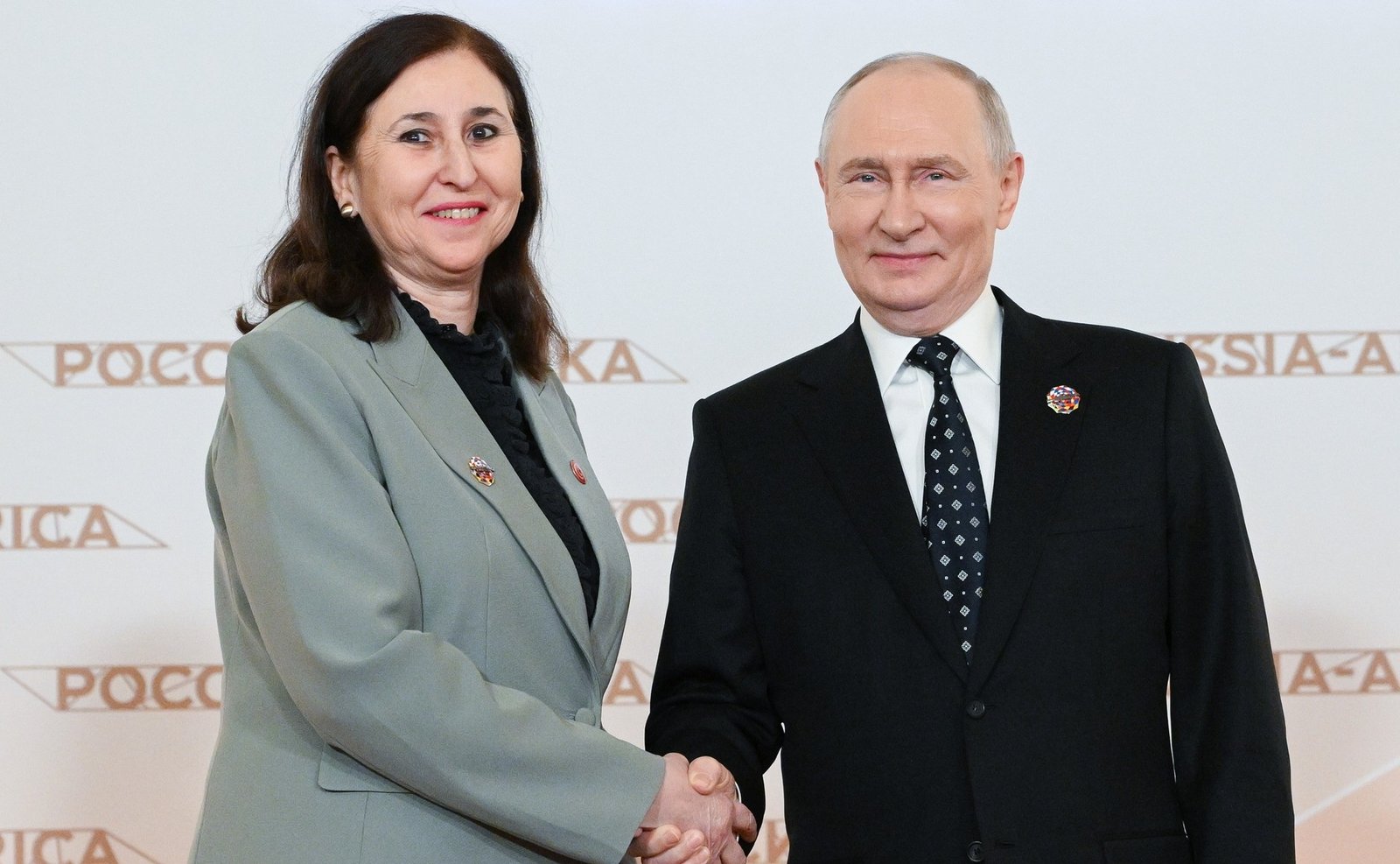
Photo: Russian Presidential Executive Office / Wikimedia Commons, CC BY 4.0
African leaders used the Russia-Africa Summit in Moscow to press for representation, investment and technology partnerships that deliver measurable gains at home.
A bigger voice in global affairs
The third Russia-Africa Summit, held on 28 and 29 October, brought together delegations from 48 African countries, with about 20 represented by heads of state or government.
DGBN has also reported on Ghana and Russia agree defence pact and 2,000MW nuclear plant as Putin halts recruitment of Ghanaians.
A central political message was the demand for Africa to have greater authority in global decision-making. Kenya’s President William Ruto said the international order must reflect present-day realities and argued that the continent cannot remain without permanent representation on the UN Security Council. Russia’s President Vladimir Putin backed the call, describing Africa’s exclusion from the council as unfair.
That aligns with the African Union’s long-standing position under the Ezulwini Consensus and Sirte Declaration, which seek to correct Africa’s historic under-representation in the UN system.
Promises on trade, food and industry
Moscow presented the summit as a route to broaden commercial links, with Putin saying Russia-Africa trade exceeded $27 billion last year. He highlighted Russian investment interests in energy, mining, industrial co-operation and logistics, as well as grain supplies to African markets.
For African governments, the harder question is whether summit commitments will become factories, skilled jobs, stronger infrastructure and locally owned value chains. The official forum agenda focused on trade, investment, payment systems, food security, digitalisation and peaceful nuclear energy — areas with direct implications for industrialisation and development.
For more context, read DGBN’s coverage of Sisi’s Moscow Role Highlights Egypt’s Place in China, Russia and BRICS Strategy.
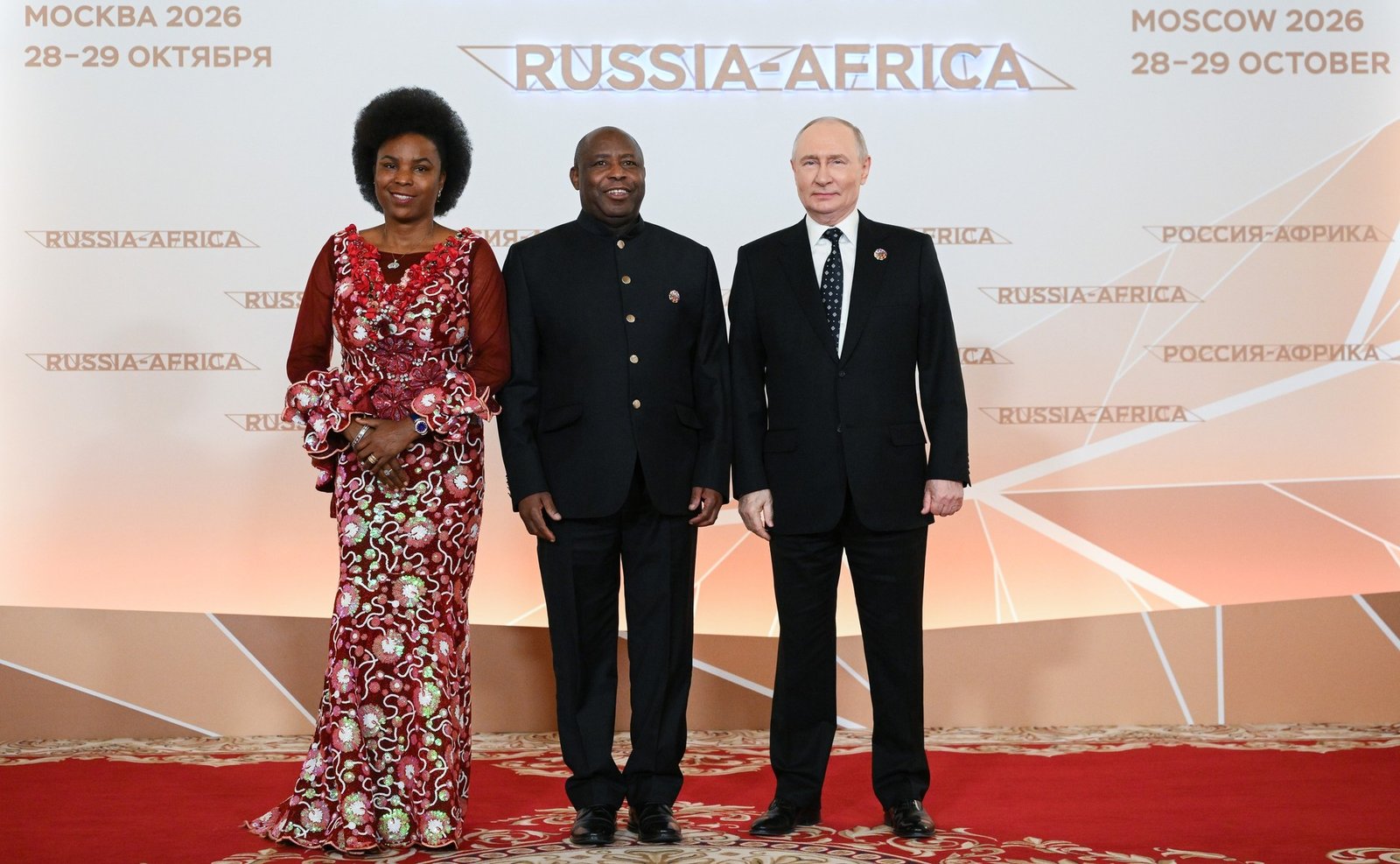
Zimbabwe’s President Emmerson Mnangagwa called for partnerships that use Africa’s resources, young population and expanding markets alongside Russian technology. He urged investment that supports value addition, green energy, transport links, agro-industry, artificial intelligence and skills development.
Technology moves from rhetoric to delivery
AI and digital transformation featured prominently in discussions, reflecting a growing African demand for technology partnerships that go beyond importing finished products.
The opportunity is substantial if co-operation gives African universities, researchers, entrepreneurs and public institutions access to training, infrastructure and technology transfer. But the measure of success will be whether agreements strengthen African capacity to build, regulate and benefit from digital systems independently.
Education was also part of the summit’s wider agenda. Russian officials said tens of thousands of African students are studying in Russia, while African leaders linked scholarships and exchanges to the need for future-ready skills.
Why it matters
Africa is increasingly being courted by major powers because of its population, mineral wealth, strategic geography and collective diplomatic weight. The continent’s 54 states form the largest regional voting bloc at the United Nations.
The summit therefore matters beyond Russia’s relationship with individual countries. It tests whether African states can turn competition among global powers into stronger bargaining power — securing finance, technology, market access and fairer representation without compromising African priorities.
Related DGBN reporting includes Kiir returns to Juba after Moscow summit as South Sudan pursues Russian investment.
For wider context, see Hojlund does Ronaldo celebration and brushes past Jesus as Portugal win 4-2 in Denmark on Diajem Sports Network.
The African Union and Russia had already been preparing a new 2027-2029 co-operation plan. Its value will depend on implementation, transparency and whether promised projects advance Agenda 2063, the African Continental Free Trade Area and African-led development goals.