
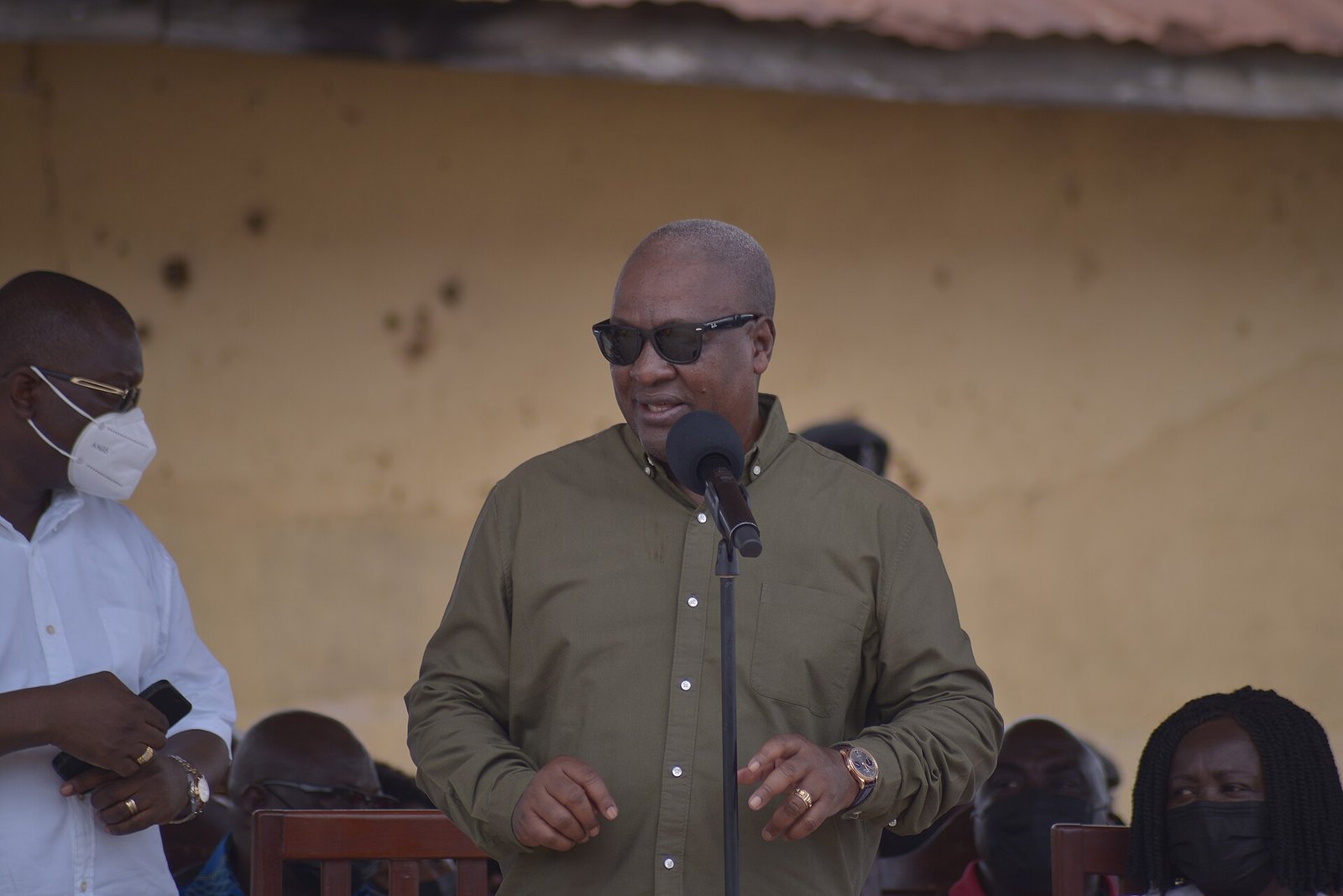
Photo: Amuzujoe / Wikimedia Commons, CC BY-SA 4.0
President John Dramani Mahama has said a UK apology for its role in the transatlantic slave trade would be only a starting point, setting out five priorities for substantive reparatory justice talks.
A framework beyond apology
In a statement issued on Sunday, Mahama welcomed British Prime Minister Andy Burnham’s stated openness to a formal apology, but said recognition of historic wrongdoing must lead to a structured process of repair.
DGBN has also reported on Ghana Presses UK for Apology and Return of Looted African Heritage.
Mahama, who serves as the African Union’s champion on reparations and chairs the Global Advisory Panel on Reparatory Justice, proposed five areas for dialogue: a formal apology; action against systemic racism and Afrophobia; targeted investment in education, science, youth empowerment, climate resilience and healthcare; the return of stolen cultural heritage; and development partnerships that address structural poverty and unequal global debt arrangements.
The Ghanaian leader said the agenda should involve the African Union, CARICOM, African diaspora communities and states that participated in chattel enslavement.
Britain’s position remains contested
Burnham has indicated that the UK is willing to enter a structured conversation on slavery’s legacy and consider an apology. However, he has rejected financial reparations, instead proposing debt restructuring support for poorer Commonwealth countries.
That distinction is central to the dispute. Caribbean leaders have repeatedly argued that debt initiatives, while potentially useful, cannot replace reparatory justice for the long-term harms created by enslavement and colonial rule.
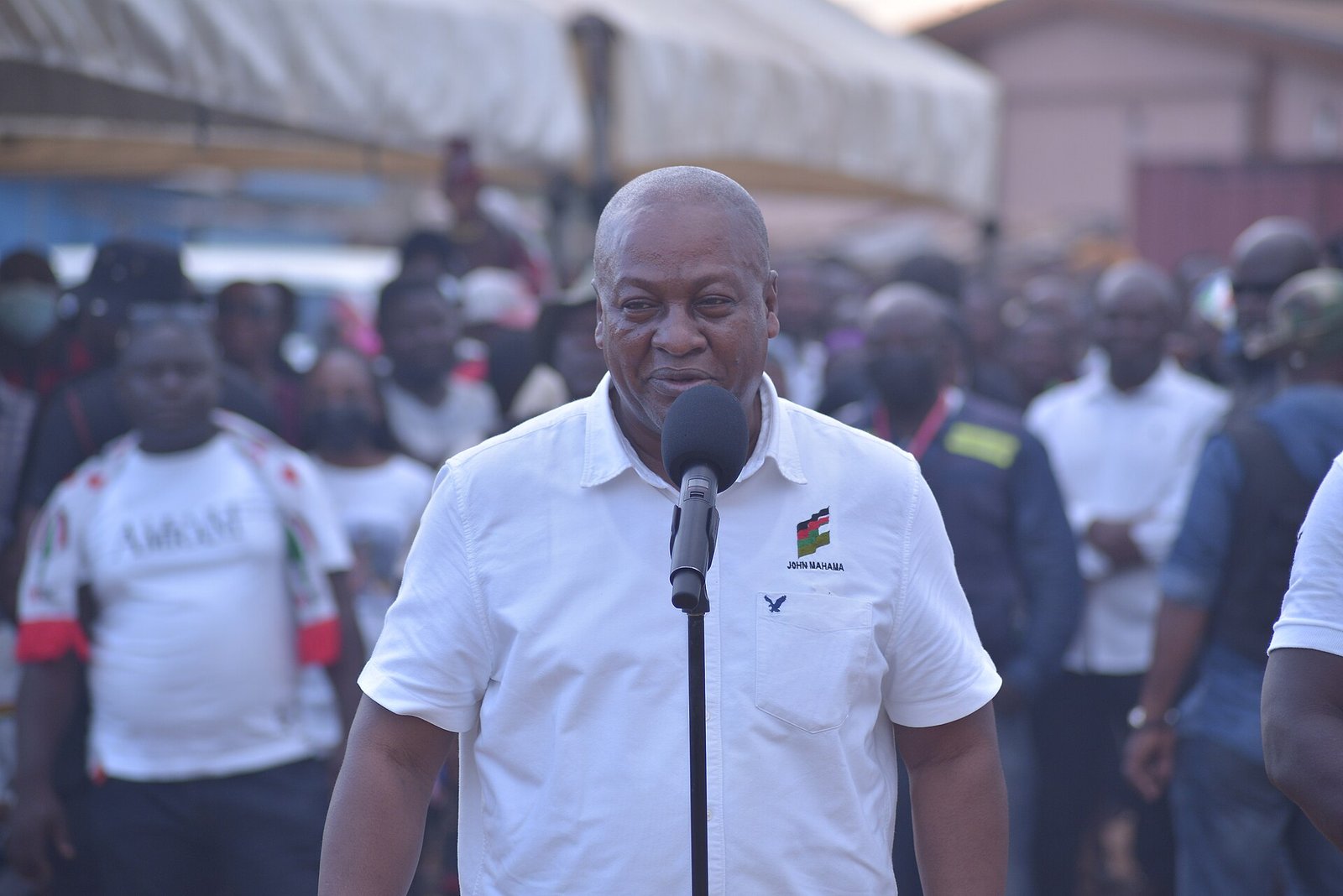
For more context, read DGBN’s coverage of Apology is not enough: Mahama sets out Ghana’s five demands for UK reparations talks.
Mahama’s intervention similarly frames reparations as more than a cash settlement. It places heritage return, institutional change and investment in Black communities’ futures alongside questions of acknowledgement and apology.
Ghana’s role in a wider movement
Ghana has become a key diplomatic voice in the international reparations movement. The country hosted a major reparatory justice conference in Accra in June and has pressed for an international response rooted in historical truth, accountability and practical action.
Mahama said Ghana’s proposed talks could draw on the CARICOM Ten Point Plan, African Union declarations and commitments reached through the Accra process. He also linked reform of international debt systems to reparatory justice, arguing that present-day economic constraints cannot be separated from the historic extraction of wealth from Africa and the Caribbean.
For Black communities across Africa and the diaspora, the significance lies in whether the UK’s shift produces concrete commitments rather than another expression of regret. A formal apology would carry moral and political weight, but Mahama’s five-point agenda makes clear that African and Caribbean leaders are seeking measures that confront slavery’s continuing social, cultural and economic consequences.
The next test
The immediate question is whether the proposed dialogue will include the countries and communities most affected, and whether Britain will accept a definition of reparatory justice broader than compensation alone.
Related DGBN reporting includes Ghana and Russia agree defence pact and 2,000MW nuclear plant as Putin halts recruitment of Ghanaians.
Mahama said differences should not prevent engagement. But his message was equally direct: acknowledgement without repair will not meet the scale of a history whose effects remain visible across the Black world.