
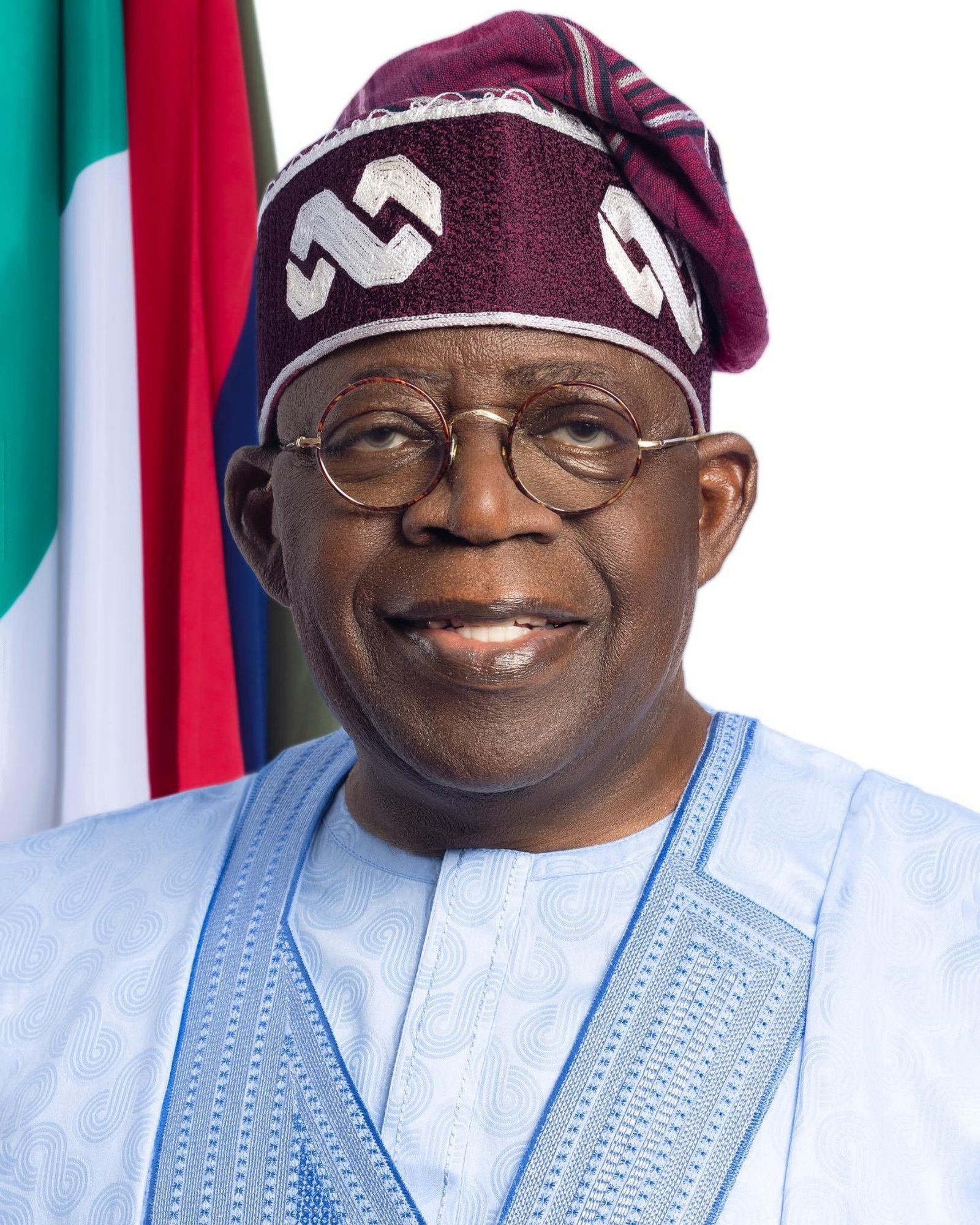
Photo: Nosa Asemota / Wikimedia Commons, CC BY-SA 4.0
Nigeria’s ruling APC has acknowledged that President Bola Tinubu has not yet resolved the country’s electricity crisis, while insisting he will account for progress and shortcomings before the 2027 election.
The renewed focus on a campaign pledge
In a statement issued on 1 November, the APC Presidential Campaign Council said Tinubu’s 2023 pledge on stable electricity and an end to estimated billing should be judged in its full context.
DGBN has also reported on Oshoniyi says Nigerians must judge reforms by results, not announcements.
The council’s spokesperson, Dele Alake, said Tinubu had also stated that Nigerians could reject him for a second term if he failed to deliver, unless he gave adequate reasons for falling short. The party said the president would present a power-sector scorecard as the election approaches.
The intervention follows renewed public debate over a promise that goes to the centre of daily life in Nigeria: whether households can keep lights on, whether small businesses can operate without costly generators, and whether workers can depend on power to earn a living.
Reforms, but not reliable power for all
Tinubu took office on 29 May 2023 saying electricity should become more accessible and affordable, with generation nearly doubled and transmission and distribution networks strengthened.
His government signed the Electricity Act in June 2023, opening greater scope for state-level electricity markets. The APC campaign council also cited metering plans, efforts to clear long-standing sector debts and spending on transmission as evidence of action.
For more context, read DGBN’s coverage of Tinubu’s $21.7bn borrowing request puts Nigeria’s debt debate back at centre stage.
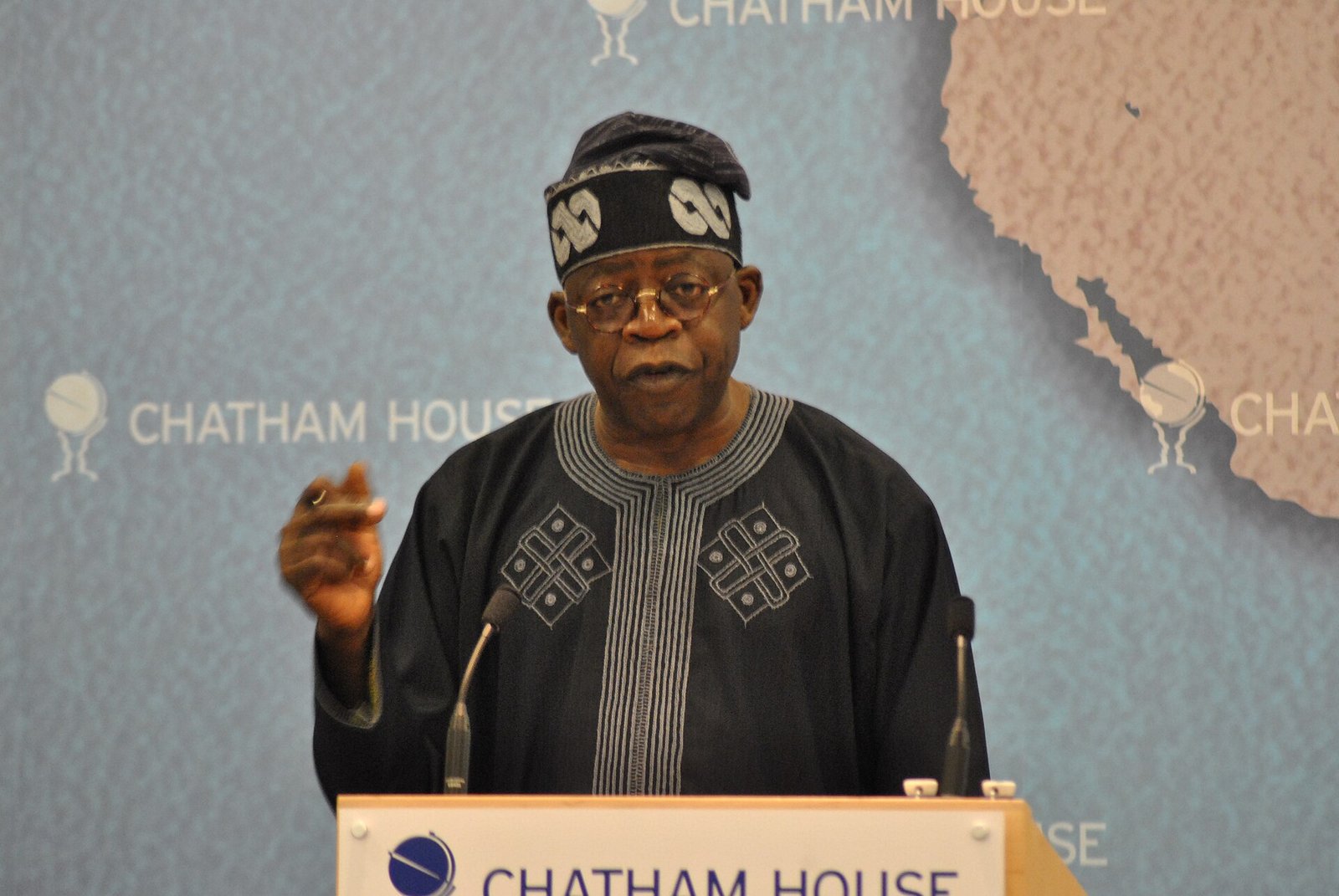
But the reforms have not translated into dependable supply for millions of Nigerians. The Nigerian Electricity Regulatory Commission’s service-based tariff system itself reflects unequal access: Band A customers are meant to receive at least 20 hours of supply daily, while Bands B to E have lower minimum commitments.
The regulator lists inadequate generation, overloaded infrastructure, faults on transmission and distribution networks, vandalism and gas-pipeline disruption among the causes of poor supply.
The gap between capacity and delivery
Official data shows the scale of the challenge. In April 2026, Nigeria had 13,625MW of installed grid-connected capacity, but only an average 4,286MW was available for dispatch, according to NERC. Average utilisation was 4,048MWh per hour.
The government has highlighted progress. At a March industry meeting, then Power Minister Adebayo Adelabu said Nigeria had reached record generation levels and that repairs to disrupted gas pipelines would improve output. Yet the available-capacity figures underline why many communities still experience blackouts.
Why it matters
Electricity remains a major economic and social test for Africa’s most populous country. Unreliable public supply forces families, traders, manufacturers and digital businesses to spend heavily on petrol, diesel, batteries and private generation.
For Black communities across Nigeria and the diaspora watching the country’s economic direction, this is more than a campaign argument. Reliable, affordable electricity is foundational to jobs, healthcare, education, industrial growth and the ability of Nigerian enterprises to compete across Africa.
Related DGBN reporting includes Yahaya Bello pledges two-week Kano push for Tinubu’s 2027 campaign.
The APC has now placed accountability at the heart of its defence. The decisive question for voters will be whether announced reforms produce a visible improvement in power supply before they return to the polls in 2027.