

Photo: Iwai-Dialax / Wikimedia Commons, CC BY 4.0
Nigerian entrepreneurs are calling for patient capital and stronger infrastructure to turn locally built technology into practical answers for food access, lower-carbon construction and waste recovery.
Lagos pitches put sustainability finance in focus
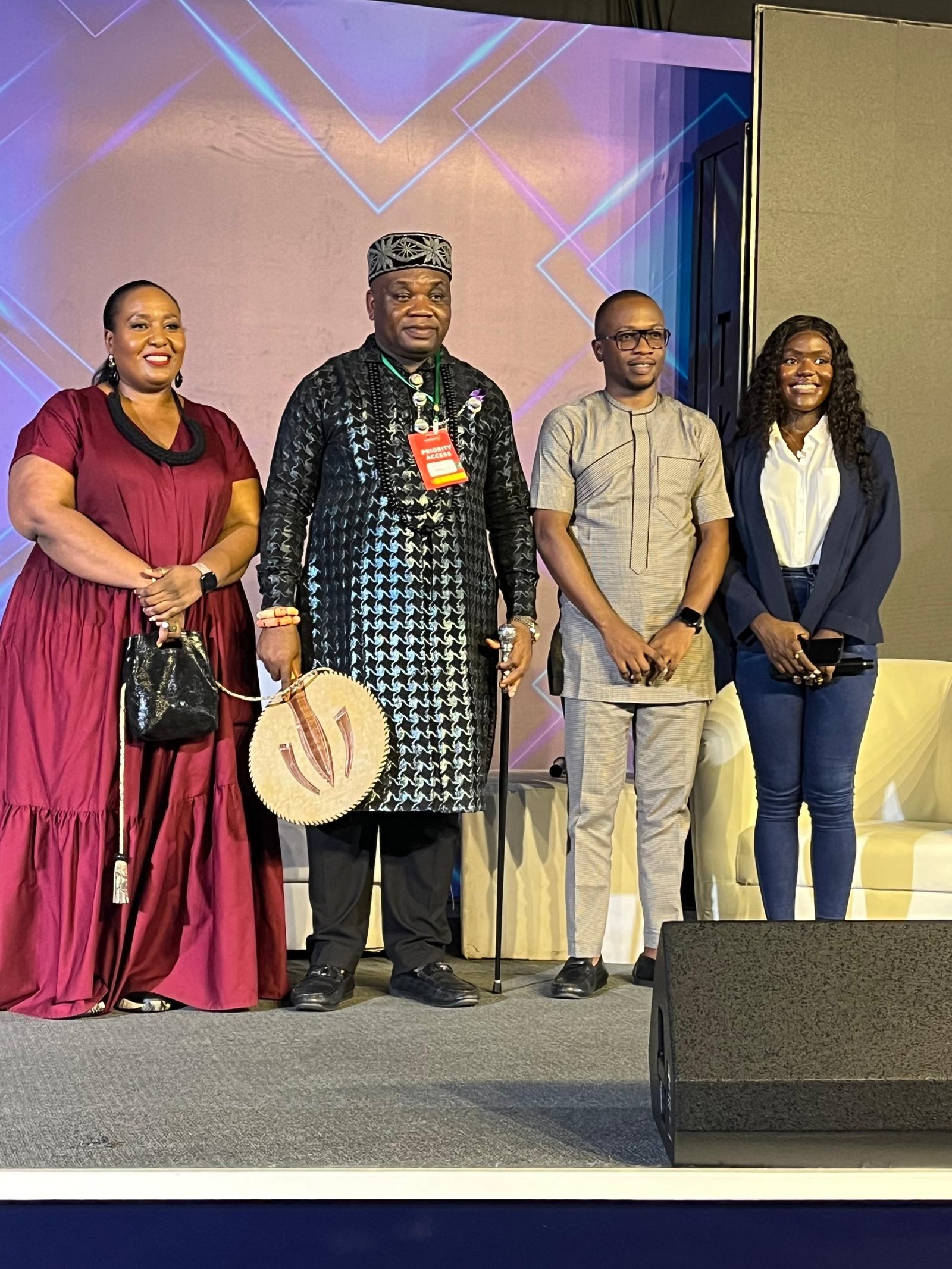
The appeal came during an innovation pitch competition at the 10th anniversary of the Sustainability Table Discourse Series in Lagos, where startups presented businesses designed to address environmental and economic pressures.
DGBN has also reported on Gauteng’s city halls take centre stage in South Africa’s local election battle.
QiQi Farms, CutStruct Technology and Pakam Technology were among those making the case that Nigeria’s sustainability agenda will depend on backing ventures that can scale, rather than treating green innovation as a side project.
The forum focused on connecting businesses with investors and accelerating solutions linked to the UN Sustainable Development Goals.
Food security needs year-round production
QiQi Farms founder Favour Okikijesu Adeleke said food security cannot be achieved through seasonal production alone. He identified insecurity, weak infrastructure and inconsistent government policy as barriers that prevent farmers and food businesses from reliably meeting domestic demand.
Adeleke said artificial intelligence could help producers make better decisions by improving information on demand, expected harvests and potential production risks. His company operates in agricultural production and food distribution, with a stated focus on reducing post-harvest losses and improving access to fresh produce.
For more context, read DGBN’s coverage of Magna connects 26 Nigerian startups with 16 investors in Lagos funding drive.
For Nigeria’s growing urban population, the stakes are clear: technology is only useful if it helps farmers, suppliers and consumers overcome the costly gaps between farm gates and food markets.
Cutting construction waste and transport emissions
CutStruct chief executive John Oamen said digital procurement can improve transparency in construction finance while reducing the environmental impact of moving building materials.
He said the company consolidates orders and optimises deliveries, reporting an estimated 38 per cent reduction in truck journeys connected to demand managed through its platform over the past two years. That figure is a company claim and has not been independently verified.
CutStruct says it is also working to add carbon-emissions tracking so developers can assess the environmental impact of material purchases. The company provides digital tools for construction procurement, including pricing, supplier connections, logistics and financing support.
Waste as an economic resource
Pakam Technology co-founder and chief operating officer Wunmi Ogunde urged businesses and policymakers to treat recyclable waste as an economic input rather than a burden.
She pointed to plastics, aluminium and cans as materials that can create livelihoods and value when collection, recovery and reuse systems are properly organised.
Related DGBN reporting includes NITDA and US Chamber delegation explore digital economy investment in Nigeria.
The message from the Lagos forum is significant for Black enterprise across Nigeria and the wider continent: African founders are building solutions around urgent local realities. But their ability to deliver measurable impact will depend on investment that matches the scale of the challenges they are trying to solve.