
Photo: Ginevrajocosa88 / Wikimedia Commons, CC BY-SA 4.0
Addis Ababa will host about 1,000 delegates from across the continent from Thursday as the Second African Political Parties Summit seeks to put economic transformation at the centre of party politics.
Three-day meeting opens on 5 November
The summit will run from 5 to 7 November at the Adwa Victory Memorial Museum, organisers said. It is being convened by Ethiopia’s ruling Prosperity Party with the Africa Governance Centre under the theme, Governing for Growth: Political Parties as Architects of Africa’s Economic Future.
DGBN has also reported on Morocco Coalition Talks Begin as El Mansouri Consults RNI, Istiqlal and Other Parties.
According to organisers, the delegation will include heads of state and government, senior officials, party leaders, business figures, civil-society representatives and women and youth leaders. Around 80 senior parliamentarians and ministers are also expected.
The event follows the inaugural African Political Parties Summit held in Accra, Ghana, in 2025.
Economic policy moves to the fore
Prosperity Party international relations director-general Nebiyu Sihul said the summit is intended to push political parties beyond election cycles and towards a sustained role in shaping economic policy and development.
For more context, read DGBN’s coverage of Ethiopia presses case for African AI sovereignty under Abiy’s AU mandate.
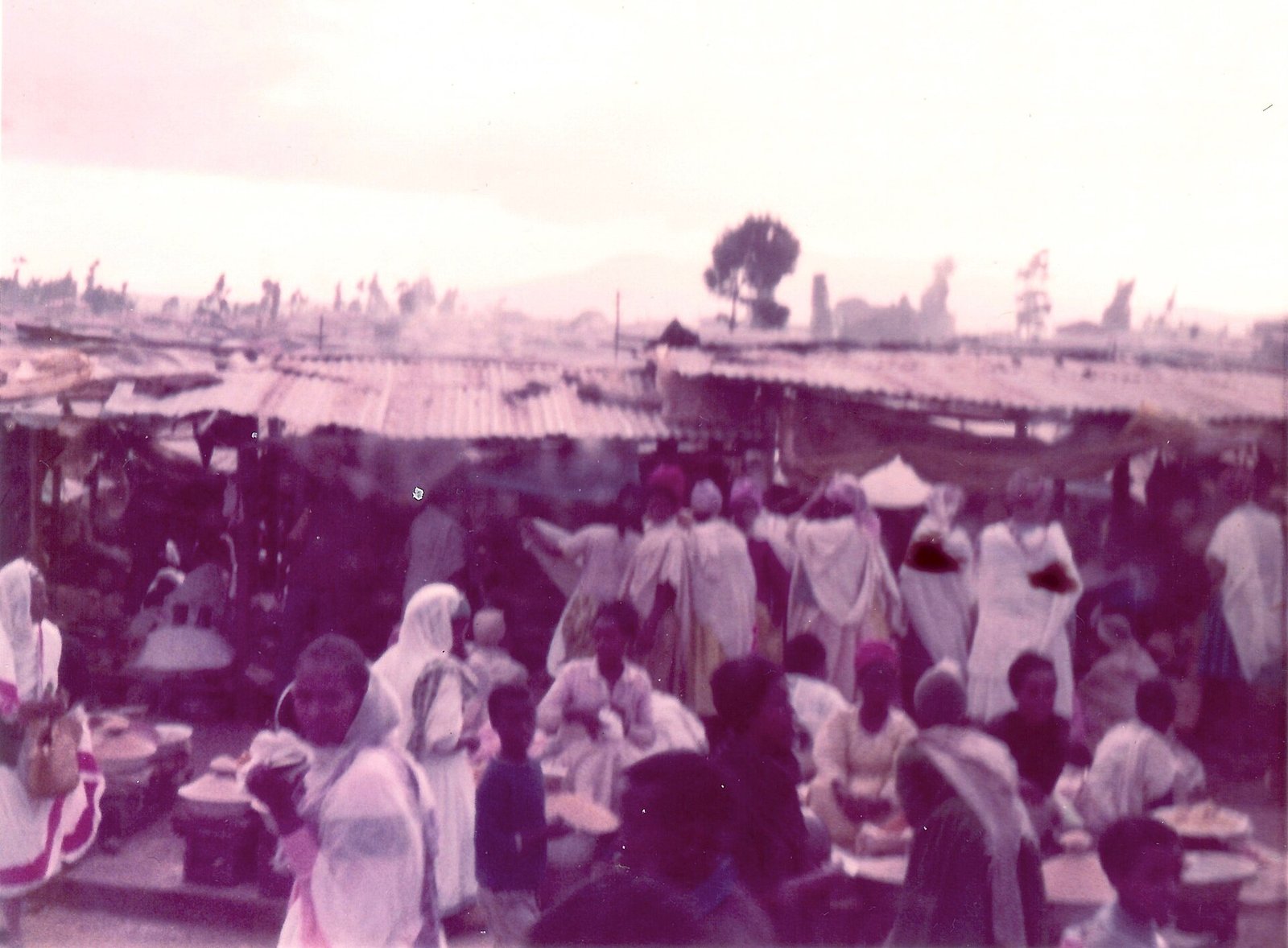
Planned discussions include fiscal governance, youth employment, industrialisation and economic resilience. Delegates are also expected to consider a permanent inter-party platform for economic-policy dialogue, alongside forums on women’s political leadership and youth participation.
Organisers say the meeting could conclude with an Addis Ababa Declaration, proposed as a framework for closer alignment of economic priorities across African countries. Its final form and whether participating parties adopt it will only be clear after the summit.
Why Addis Ababa matters
The choice of Addis Ababa carries clear continental symbolism. The city hosts the African Union and remains a central diplomatic meeting point for African governments, while the Adwa Victory Memorial Museum links the gathering to Ethiopia’s historic victory over Italian colonial forces at Adwa in 1896.
For Black communities across Africa and the diaspora, the summit matters because party platforms and government choices have direct consequences for employment, public services, industrial development and young people’s prospects. Bringing competing political organisations into a shared discussion on these issues could help create pressure for longer-term policy commitments.
But the test will be whether the meeting delivers practical cooperation beyond declarations, particularly on creating jobs for Africa’s rapidly growing youth population, strengthening accountable institutions and financing industrial growth.
Related DGBN reporting includes Russia-Africa summit backs expanded trade, infrastructure and security cooperation.
Delegates will also take part in visits to Ethiopian development and infrastructure projects, with the host party planning to present the country’s experience in urban development, energy and economic modernisation.