
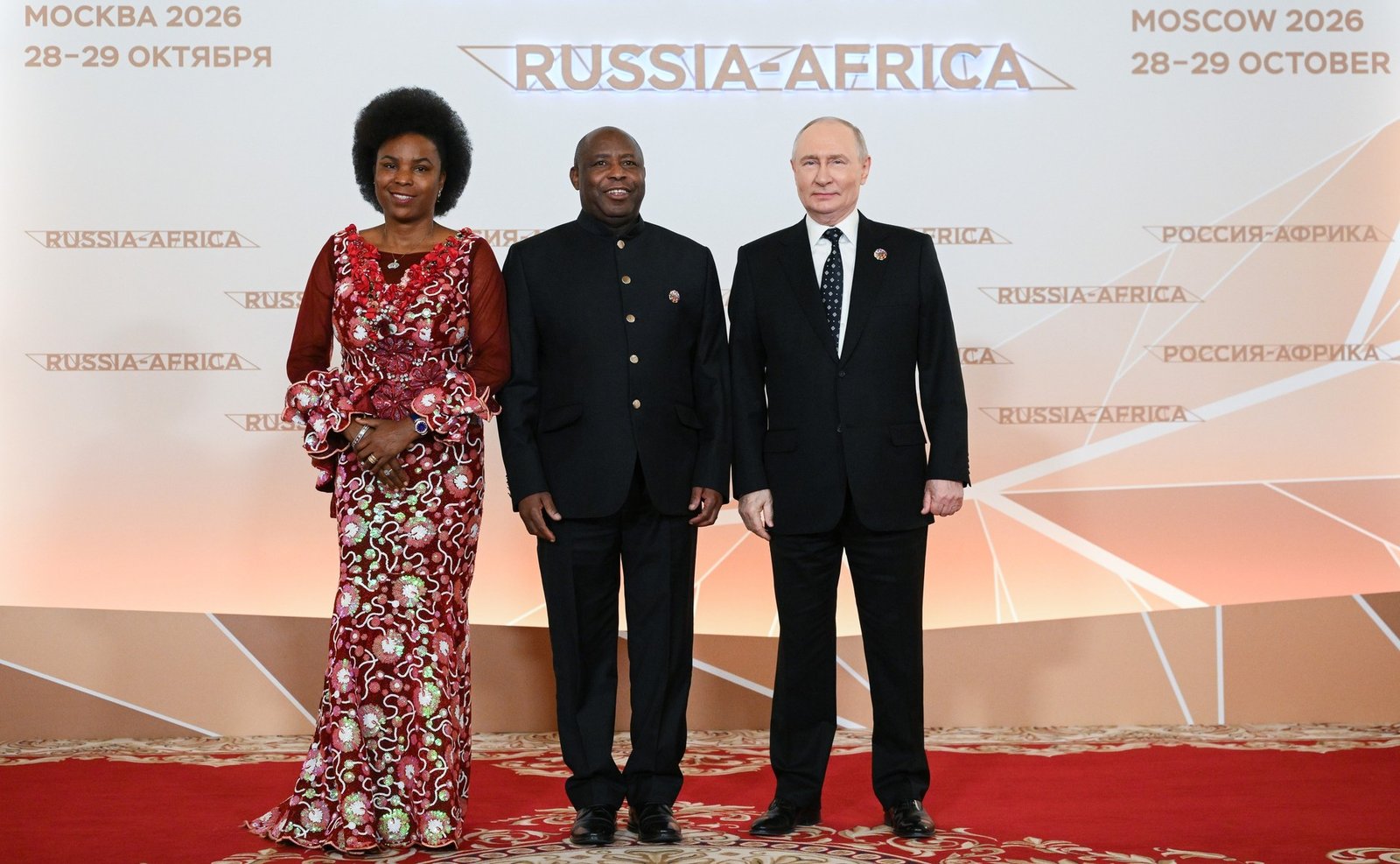
Photo: Russian Presidential Executive Office / Wikimedia Commons, CC BY 4.0
African leaders used the Russia-Africa summit to press for partnerships that build industry, skills and infrastructure on the continent rather than deepen dependence on raw-material exports.
A new cooperation plan
The third Russia-Africa Summit ended in Moscow on 29 October with leaders endorsing a joint declaration and a 2027–2029 cooperation plan spanning trade, infrastructure, technology and security.
DGBN has also reported on Tanzania opens $265m Government City as Dodoma consolidation advances.
Russian President Vladimir Putin said Moscow wanted to increase two-way trade with African states to $50 billion. Russia said trade had exceeded $27 billion in 2025, while the Kremlin also promoted cooperation in energy, mining, manufacturing, logistics and digital technology.
The agreement’s wider political agenda included support for a greater African voice in global institutions, including reform of the UN Security Council and the international financial system. It also backed the return of cultural property removed during colonial rule.
Africa’s call for value addition
African Union chair Evariste Ndayishimiye said the continent must move beyond exporting unprocessed commodities while importing finished products. He called for investment in manufacturing, modern agriculture, energy systems, logistics, research and technology transfer.
That emphasis matters for African economies seeking to turn the African Continental Free Trade Area into a platform for production, jobs and regional supply chains. Commitments on rail, roads, ports, aviation and energy links could be significant if they are tied to transparent finance, local employment and deliverable projects.
For more context, read DGBN’s coverage of Mo Ibrahim warns Africa is copying the world’s strongmen as rights slide in 23 countries.
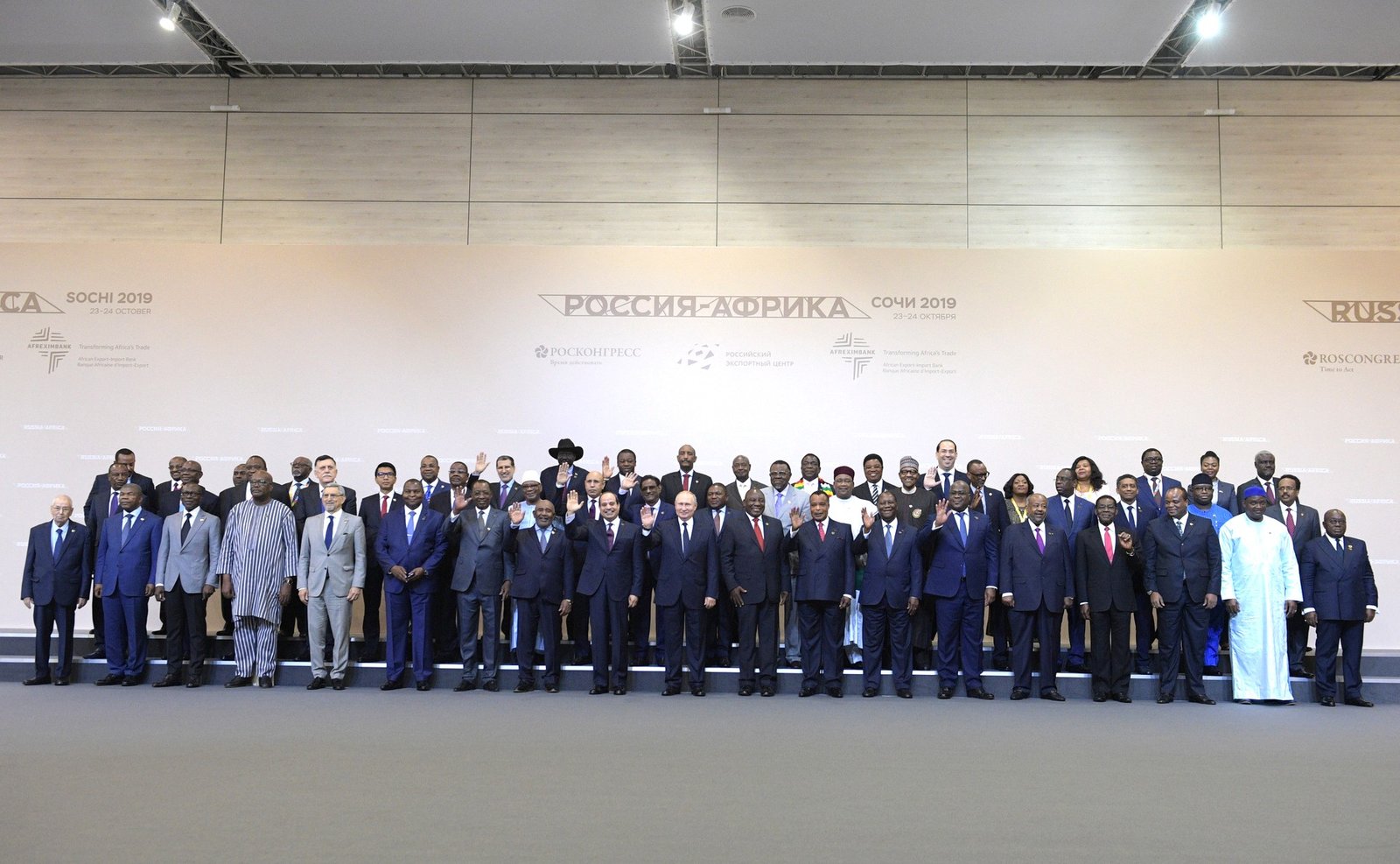
Egyptian President Abdel Fattah el-Sisi called for strategic transport corridors, logistics zones, stronger electricity interconnections and support for agriculture. Ethiopian Prime Minister Abiy Ahmed said Addis Ababa was pursuing nuclear-energy cooperation with Russia and sought closer links in artificial intelligence, education and manufacturing.
Security and sovereignty at the centre
The summit also put security at the heart of the relationship. The declaration called for deeper counterterrorism cooperation, including against the use of drones, encrypted platforms and digital finance by armed groups.
Russia’s growing security role in parts of Africa remains contentious. Moscow has expanded relations with several Sahel governments that have distanced themselves from former Western security partners, but analysts caution that Russia’s political and military profile has developed faster than its economic delivery.
Chatham House noted that Russia-Africa trade remains well below a previous $40 billion target, despite rising engagement in energy, agriculture and security. That gap will make implementation—not summit language—the central test of the new plan.
What comes next
For Black communities across Africa and the diaspora, the summit’s importance lies in whether its promises translate into African-owned productive capacity: factories, reliable power, modern transport, skilled jobs and technology controlled locally.
Related DGBN reporting includes Russia-Africa Summit puts trade, technology and global reform at centre stage.
For wider context, see Hojlund does Ronaldo celebration and brushes past Jesus as Portugal win 4-2 in Denmark on Diajem Sports Network.
African governments now face the task of ensuring that new external partnerships serve continental priorities, strengthen economic sovereignty and produce measurable benefits for ordinary people.