
Photo: Fernando Pascullo / Wikimedia Commons, CC BY-SA 4.0
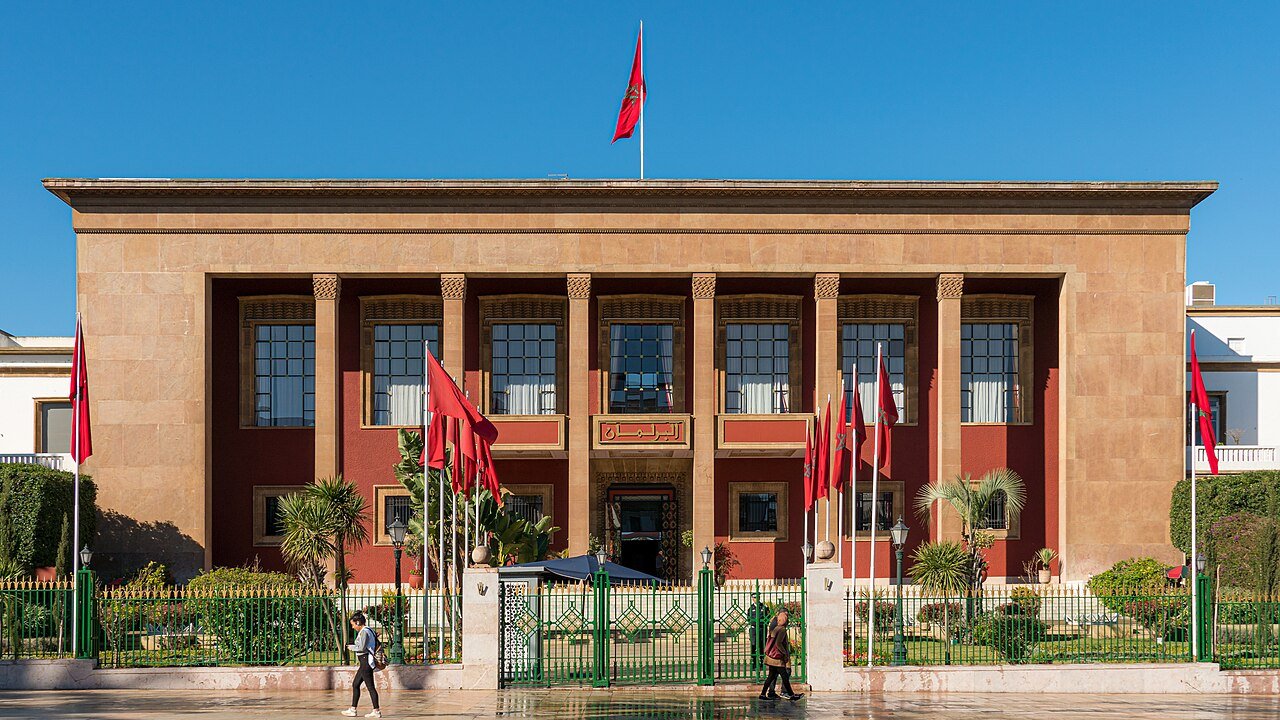
Morocco has entered Africa’s top 10 for overall governance, ranking joint seventh in the 2026 Ibrahim Index of African Governance after gaining 6.4 points over the past decade.
A significant rise
The Mo Ibrahim Foundation placed Morocco alongside Senegal in seventh place, each with a 2025 overall governance score of 63.6 out of 100. Morocco climbed eight positions from its 2016 standing, making it the only new entrant in the top 10 and displacing Tunisia.
DGBN has also reported on Security decline threatens Africa’s economic gains, Ibrahim Index warns.
The index, published on 31 October, assesses all 54 African countries using data covering 2016 to 2025. It draws on 51 sources, 319 variables and 96 indicators spanning security and rule of law, participation and rights, economic opportunity, and human development.
Morocco was among the 10 countries recording the biggest overall gains across the decade. Its progress was classified as “slowing improvement”, meaning its 2025 score was higher than in 2016 but the pace of advance since 2021 has been weaker than across the full 10-year period.
Where Morocco stands
Seychelles retained first place with 78.6 points, followed by Mauritius, Cabo Verde, Botswana, South Africa and Namibia. Morocco and Senegal were tied in seventh, ahead of Ghana and Kenya.
The result places Morocco 17.3 points above the continental average of the 10 highest-ranked countries, which together scored an average of 67.4. The Foundation said Morocco, Seychelles, Senegal and Kenya were the only four countries in the top 10 to have improved over the decade; the other six declined overall.
For more context, read DGBN’s coverage of Late Oduntan penalty sends Flamingos past Venezuela into U-17 World Cup semi-finals.
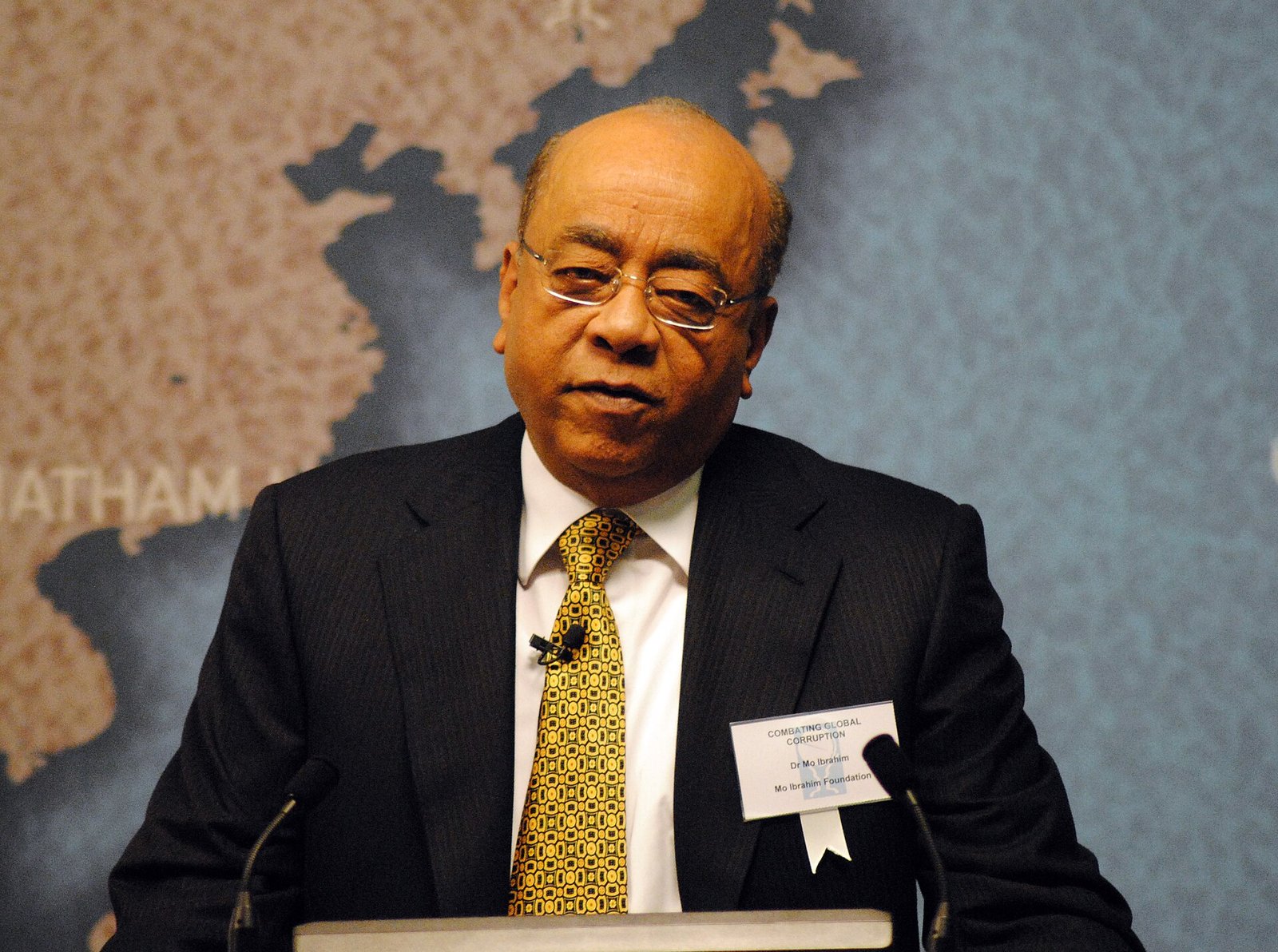
Morocco also ranked third in the index’s infrastructure sub-category, behind Egypt and Mauritius. That matters because infrastructure was the strongest-improving governance area continent-wide, led by gains in mobile communications, internet access, postal and shipping networks, and energy access.
Progress alongside wider African pressures
The wider report presents a mixed picture for the continent. Thirty countries improved their overall governance scores between 2016 and 2025, but a slight majority of Africans live in countries where governance deteriorated over the same period.
Across Africa, improvements in infrastructure, women’s equality, environmental sustainability and rural economies were offset by setbacks in participation, security, rights, rule of law and accountability. Participation was the weakest-performing sub-category, falling five points over the decade.
For Morocco, the higher ranking is a notable benchmark in a region where governance outcomes directly shape jobs, public services, civic freedoms and confidence in institutions. But the “slowing improvement” designation is equally important: retaining a top-tier position will depend on whether advances in economic and social delivery are matched by sustained progress in rights, participation and institutional accountability.
Why it matters
The Ibrahim Index is not an election result or a judgement on a single government policy. It is a long-term comparative measure of how African states deliver public goods and how citizens experience governance.
Related DGBN reporting includes Mo Ibrahim warns Africa is copying the world’s strongmen as rights slide in 23 countries.
For wider context, see Hakimi hat-trick as PSG thrash Le Havre 5-1 to stay top on Diajem Sports Network.
Morocco’s move into the top 10 signals measurable progress over a decade. The next test is whether that progress accelerates rather than levels off, at a time when Africa’s governance gains remain uneven and citizens across the continent face growing concerns over political space, security and public accountability.