
Photo: Chatham House / Wikimedia Commons, CC BY 2.0
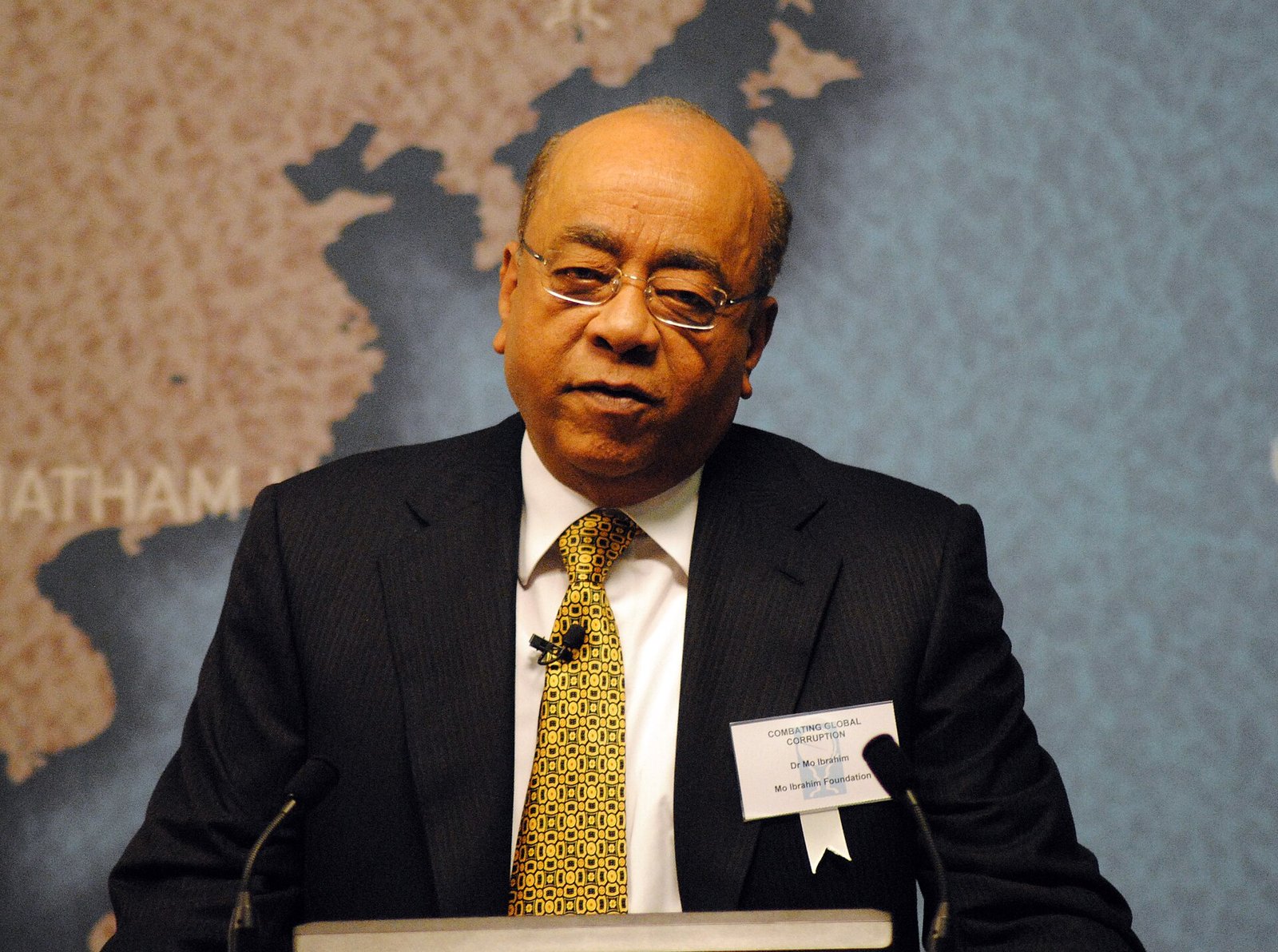
Africa’s modest governance gains risk being undermined unless governments reverse a decade-long deterioration in security, justice and democratic participation, the Mo Ibrahim Foundation has warned.
Progress, but on fragile ground
The 2026 Ibrahim Index of African Governance found that the continent’s overall governance score rose by 0.8 points between 2016 and 2025, reaching 50.1 out of 100. The improvement was driven largely by better economic opportunity and human-development measures.
DGBN has also reported on Ghana Presses UK for Apology and Return of Looted African Heritage.
Infrastructure was the strongest-performing area, improving in 52 of Africa’s 54 countries. The index also recorded gains in education across 34 countries and in health across 40.
But the report says those advances are not secure. Security and Rule of Law worsened in 34 countries, home to 78% of Africa’s population, while Participation, Rights and Inclusion declined in 31 countries, representing 60% of the population.
Why security is an economic issue
The index does not treat security as separate from development. It measures governance through four connected areas: security and rule of law; participation, rights and inclusion; foundations for economic opportunity; and human development.
That connection matters for African businesses, workers and communities. Insecurity can disrupt trade routes, deter investment, increase the cost of doing business and weaken access to jobs, schools, healthcare and public services. Weak courts, poor accountability and restricted civic space can also make economic progress harder to sustain.
For more context, read DGBN’s coverage of Russia-Africa summit backs expanded trade, infrastructure and security cooperation.

Mo Ibrahim, chair and founder of the foundation, said countries may achieve social and economic gains while security and the rule of law deteriorate, but described that balance as unsustainable. The findings show economic opportunity improved in 44 countries over the decade, yet progress was stronger on average where security and the rule of law also improved.
Major economies show warning signs
The report highlighted deterioration in overall governance over the decade in four of Africa’s most populous states: Nigeria, the Democratic Republic of Congo, South Africa and Sudan.
South Africa remained fifth in the continental ranking, but the index classified its trajectory as one of increasing deterioration. Nigeria ranked 38th and was assessed as experiencing slowing deterioration. The DRC ranked 48th, while Sudan placed 52nd.
At the top of the 2025 ranking were Seychelles, Mauritius, Cabo Verde, Botswana and South Africa. Ghana ranked ninth, Kenya tenth, and Morocco entered the top ten after replacing Tunisia.
A call for durable institutions
There was one note of cautious optimism: the pace of security deterioration has slowed since 2022, with signs of progress appearing in 27 countries.
However, the foundation’s central message is that roads, connectivity and service delivery alone cannot secure long-term prosperity. For Black communities across the continent and diaspora investors looking to African markets, the report underscores that development depends on institutions that protect people, uphold rights and make public power accountable.
Related DGBN reporting includes Mo Ibrahim warns Africa is copying the world’s strongmen as rights slide in 23 countries.
For wider context, see Charles brothers settle it: Northern Ireland win in Georgia with 99th-minute goal on Diajem Sports Network.
The index draws on 319 variables from 59 datasets and 51 African and international sources, covering all 54 African countries.