
Photo: Tessa Bury / Wikimedia Commons, CC BY 4.0
Winnipeg raised Nigeria’s green-and-white flag at City Hall on 1 October, marking the country’s 66th Independence Anniversary and recognising the city’s growing Nigerian community.
A visible civic recognition
The ceremony brought together Winnipeg Mayor Scott Gillingham, Nigerian Association of Manitoba president Vera Obehi Keyede, Manitoba Deputy Premier and Health Minister Uzoma Asagwara, traditional ruler Oba Joel Olaniyi Oyatoye Titiloye Olufayo II, community leaders and residents.
DGBN has also reported on Nigeria at 66: digital ambition must become everyday infrastructure.
Original source: Original source.
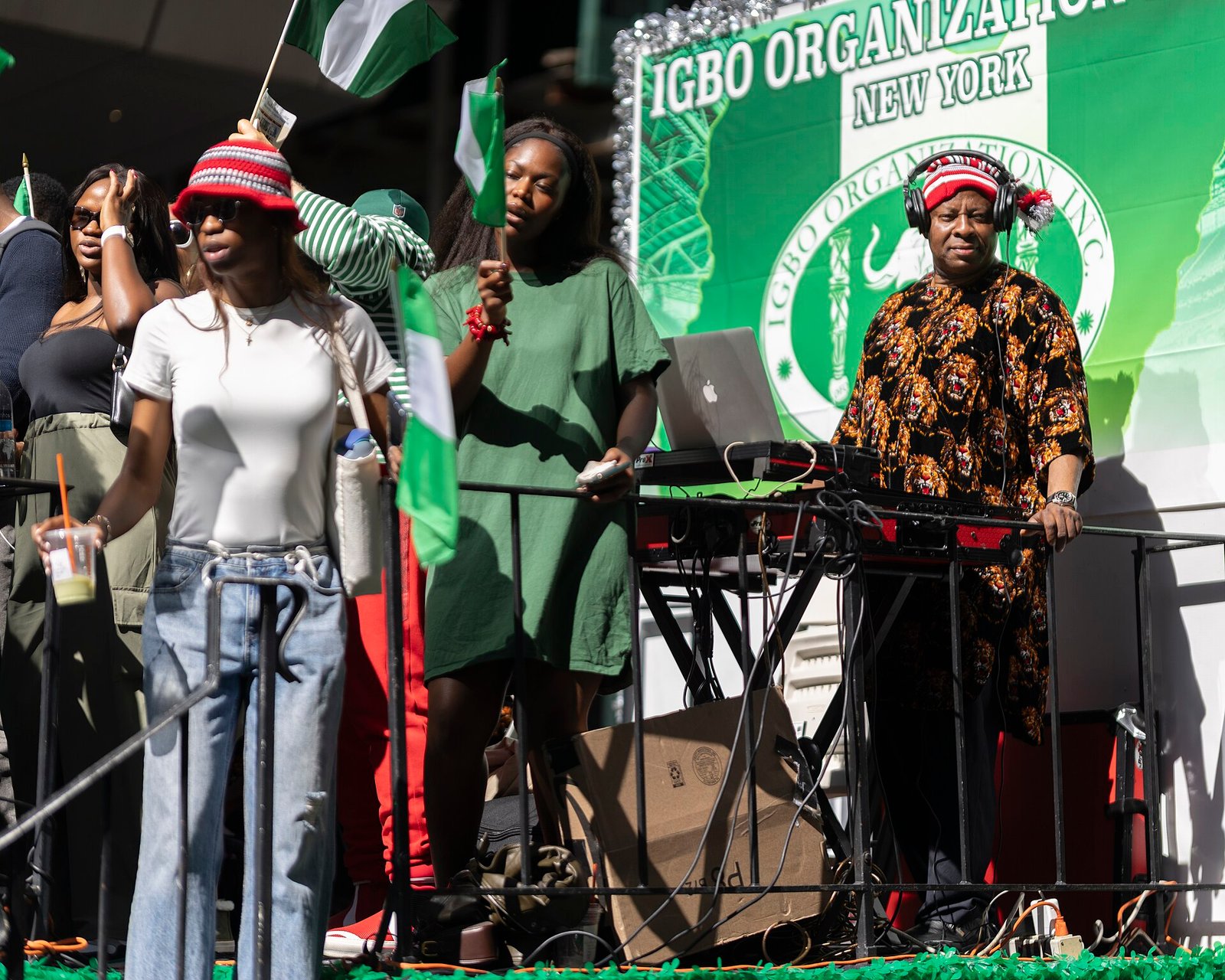
According to The Sun Nigeria, the event included cultural presentations, music and attendees dressed in Nigerian traditional clothing before the flag was raised at City Hall.
Gillingham said Nigerian Winnipeggers were making their presence felt across business, entrepreneurship, education, healthcare, public service, the arts and faith communities. He described the flag’s display as recognition of both Nigerian independence and the community’s place in the life of the city.
Winnipeg’s own policy permits the flying of national flags of countries with diplomatic relations with Canada on recognised national days, following a request to the Mayor’s Office. The city says such flag displays recognise civic diversity and do not amount to an endorsement of a country’s politics.

For more context, read DGBN’s coverage of Nigeria’s digital future must reach beyond Lagos, advocates say.
Community, heritage and the next generation
Keyede used the occasion to highlight the Nigerian Association of Manitoba’s work around unity, cultural preservation and youth mentorship. Her remarks were framed around the theme, “Rooted in Heritage and Rising with Purpose”, The Sun Nigeria reported.
Oba Oyatoye thanked Winnipeg’s municipal leadership and the Manitoba government for supporting the commemoration. He also reflected on earlier community advocacy that helped advance formal recognition of Nigeria’s Independence Day in Manitoba, according to the report.
The City Hall event came ahead of a separate Nigeria Independence Day and Nigerian Association of Manitoba 40th anniversary celebration scheduled in Winnipeg on 3 October.
Why it matters
For Black diaspora communities, civic ceremonies such as this are more than symbolic. They place African heritage visibly within public institutions while acknowledging the labour, professional expertise, enterprise and cultural life that Nigerian migrants and their families bring to Canadian cities.
Related DGBN reporting includes Bwari voices demand action on infrastructure as Nigeria marks 66 years of independence.
The flag-raising also reflects a broader reality: Black communities are not marginal additions to urban life, but active participants in shaping it. In Winnipeg, the recognition offered a public affirmation that Nigerian identity, culture and contribution belong in the city’s shared story.