
Photo: Maxwell / Wikimedia Commons, CC BY-SA 4.0
Dangote Group has called on Nigeria to strengthen domestic production and reduce import dependence, arguing that the country’s economic resilience depends on building local industrial capacity.
Call made at Abuja trade fair
The appeal was made by Fatima Wali-Abdurrahman, Dangote Group’s regional director, at the company’s special day during the 21st Abuja International Trade Fair on Friday, 2 October.
DGBN has also reported on Dangote Group Calls for Nigeria to Produce More and Import Less.
Original source: Original source.
Represented by the group general manager, Abdullahi Dan-Musa, Wali-Abdurrahman said Nigeria needed policies and an investment climate capable of supporting industry, job creation, exports and sustainable growth.
She said businesses were operating amid inflation, exchange-rate adjustments, changing tax policies and technological disruption. Shifts in international trade were also increasing pressure on Nigerian companies, she said.
Her central argument was that resilience should not mean merely absorbing shocks. It should mean building the capacity to manufacture, innovate and keep investing through difficult conditions.
Local production and jobs
Dangote said its operations across cement, sugar, salt, seasoning, packaging, fertiliser, petrochemicals and refining were intended to deepen Nigerian production and supply networks.
For more context, read DGBN’s coverage of Sifuna demands Kenya publish Dangote refinery deal, citing constitutional right to information.
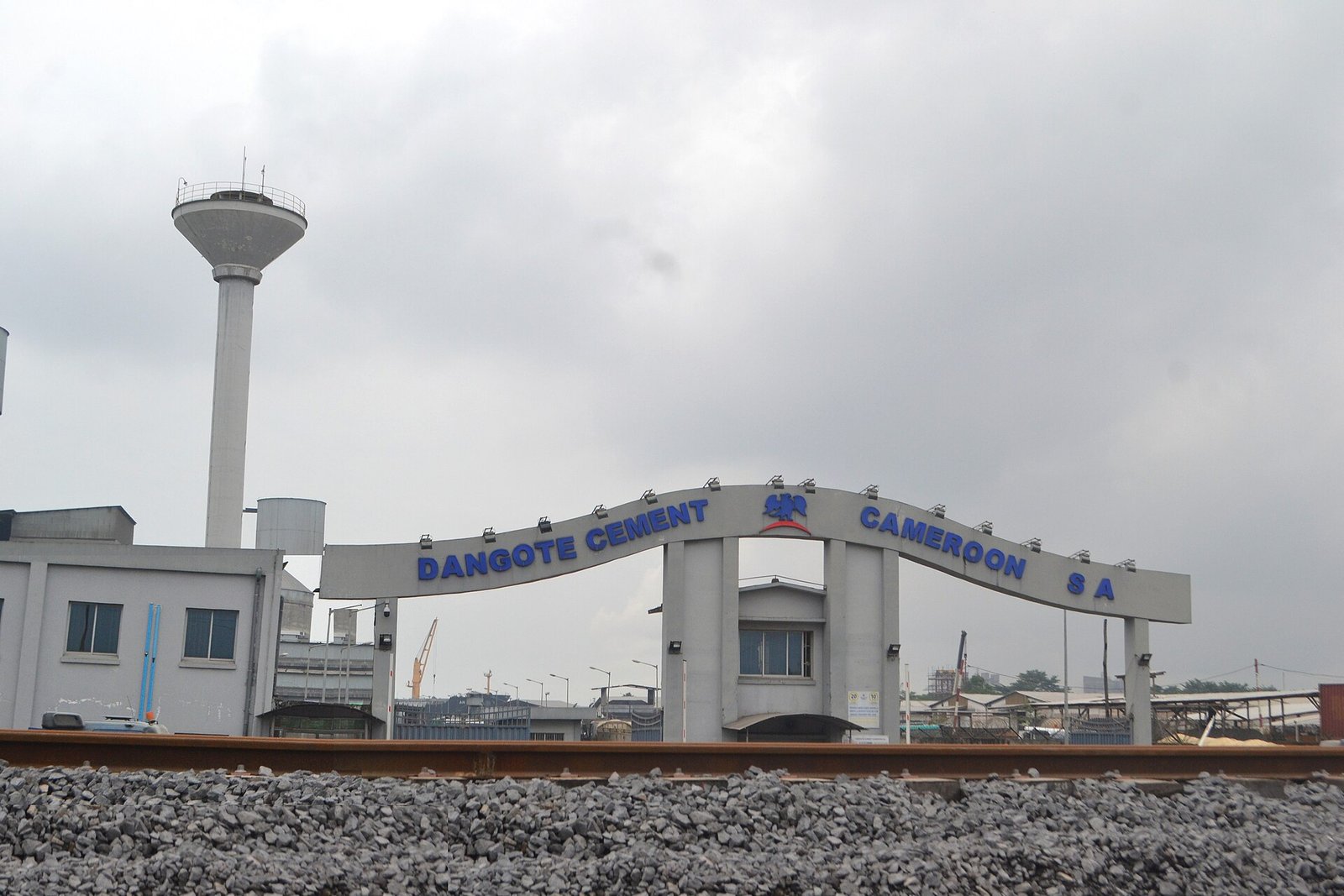
The group pointed to cement as an example of how local manufacturing can shift a country from reliance on overseas suppliers towards domestic output and exports. Wali-Abdurrahman said industrial production supports not only direct factory employment, but also suppliers, distributors, transport workers, contractors and retailers.
That matters sharply for Nigeria’s young population. A wider manufacturing base can create more pathways into technical work, small business contracts and skilled employment than an import-led economy, while keeping more value from production inside the country.
Refining and foreign exchange
Wali-Abdurrahman also linked the argument to the Dangote Petroleum Refinery. She said the facility has a refining capacity of 700,000 barrels a day and that the group plans to expand it to 1.4 million barrels a day.
The company says greater local refining can reduce the need for imported refined petroleum products, ease pressure on foreign exchange and build domestic technical capability. Those claims form part of a broader national debate over how Nigeria balances fuel supply, competition, consumer prices and industrial policy.
Dangote has also said it is extending its industrial strategy beyond Nigeria, including a refinery and petrochemicals project in Lamu, Kenya.
A demand for predictable policy
The group urged authorities to pursue a transparent and predictable tax system. Wali-Abdurrahman said tax revenue is necessary to finance public services and infrastructure, but warned that uncertainty or inefficiency could deter investment and innovation.
Related DGBN reporting includes Nigeria at 66: Abubakre Calls for Institutions That Outlast Resilience.
For Black communities across Africa and the diaspora, the message carries a wider significance: industrialisation is not only about corporate growth. It is about who owns productive assets, where jobs are created, and whether African economies can retain more of the value generated from their labour and resources.